

Incredibly rare tree gate crashes butterfly open gardens weekend
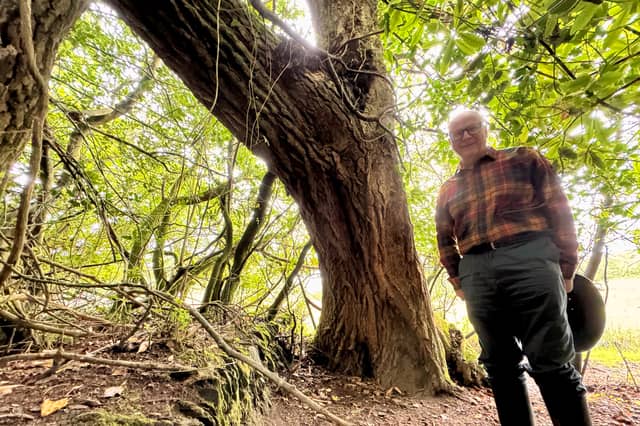

The recent Butterfly Open Gardens event at Trimstone Manor for Butterfly Conservation revealed plenty of moths and butterflies – but the discovery of one of Britain’s rarest trees proved unexpected!
A successful Butterfly Open Gardens weekend at Trimstone Manor near Ilfracombe was capped off by the discovery of an incredibly rare gatecrasher which left naturalists stunned.
During the course of the two-day event to raise money for Butterfly Conservation, plenty of butterfly and moth species were found – but no one expected to find one of Britain’s rarest and most endangered trees.
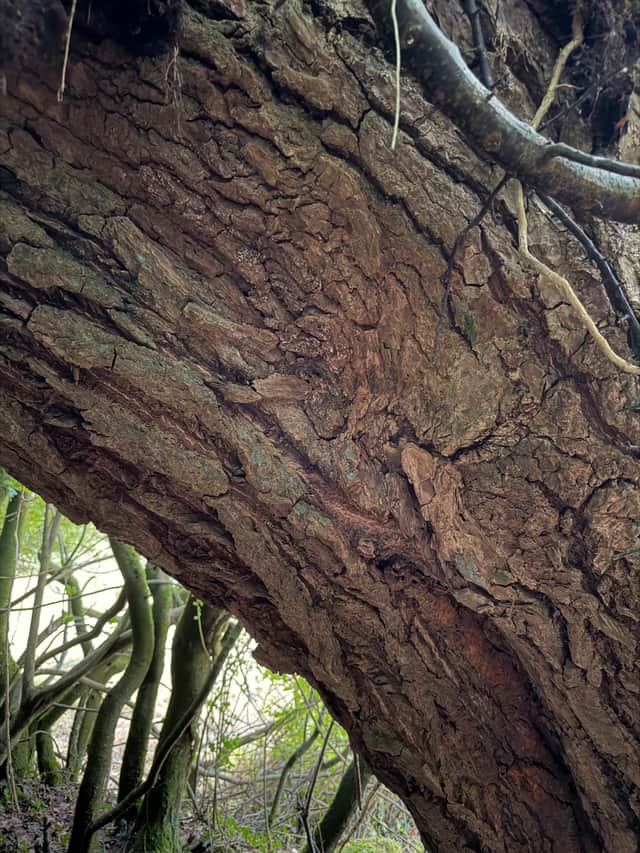
The ancient black poplar tree was spotted in one of the Trimstone hedges and is one of only around 7,000 left in the whole of Britain, with landowners Philip and Helen Milton completely unaware of its existence until now.
It is thought the tree, which has sprouted additional limbs to support its ancient trunk, could easily be well over 200 years old.
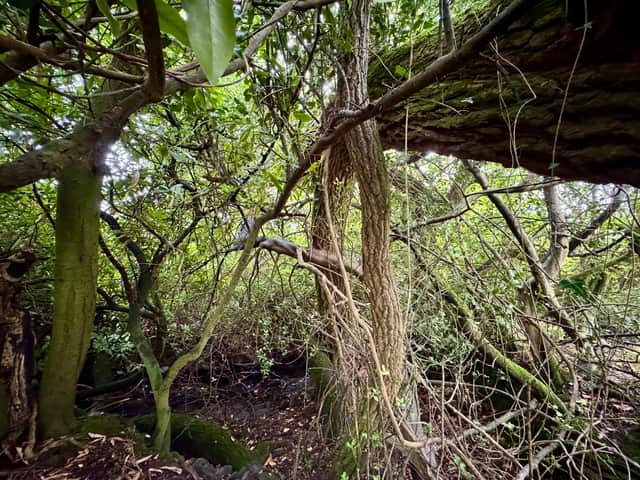
The Open Gardens themselves offered visitors the chance to tour the Trimstone grounds, meet the emus and peacocks and enjoy cream teas during some fantastic early August weather.
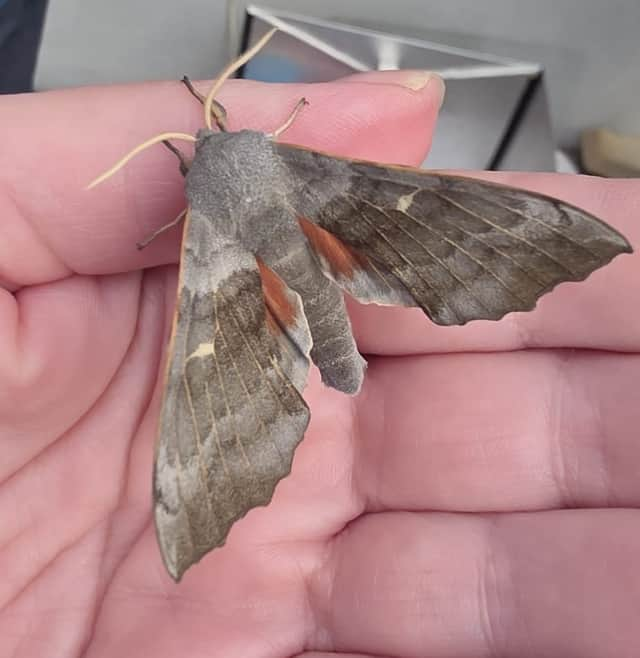
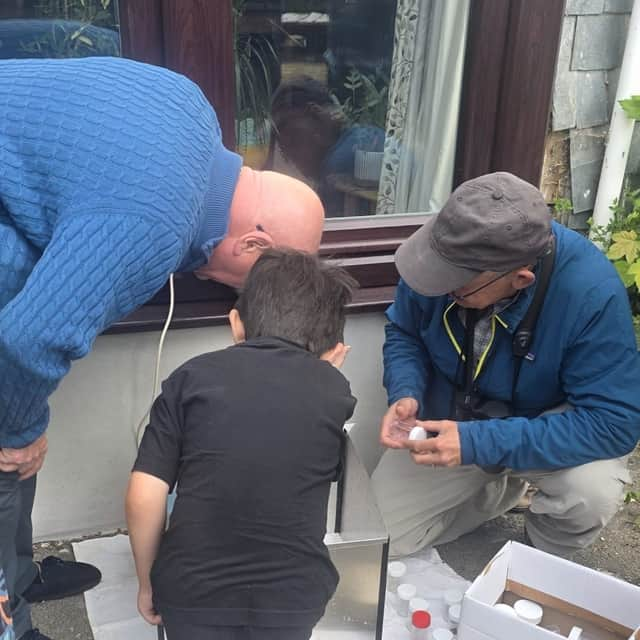
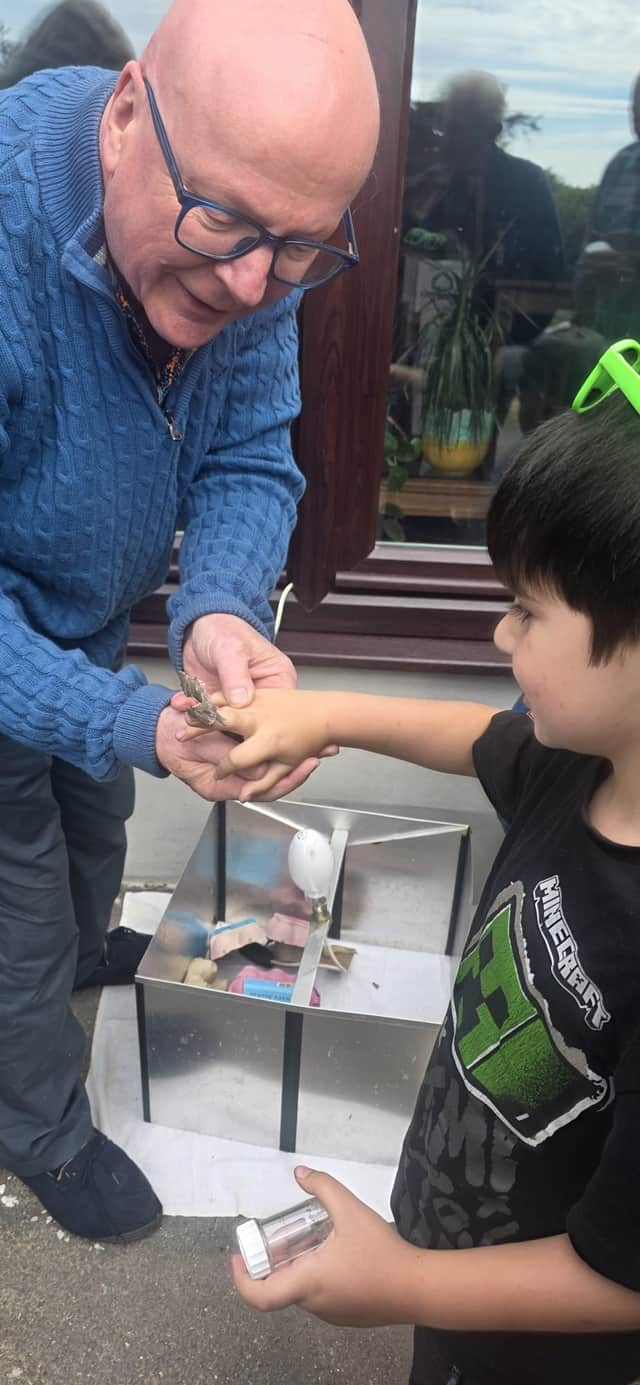
The Manor also hosted local moth experts David Paull and Colin Rudlof who set up humane traps to collect more than 60 species of moths, with all safely released afterwards.
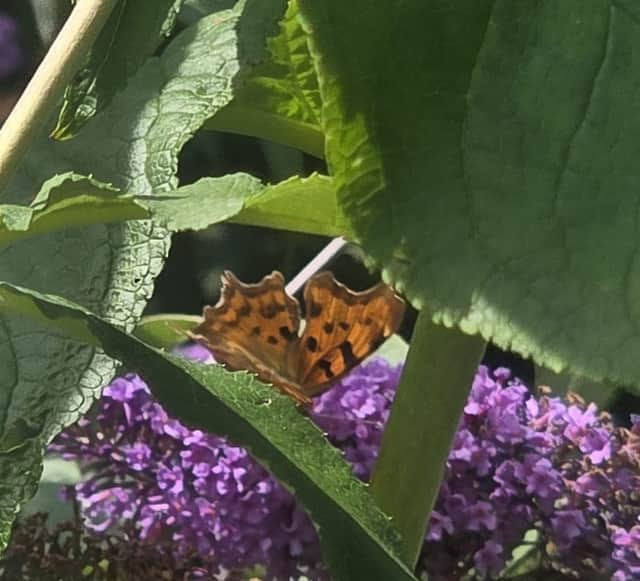
A total of 15 butterflies were also spotted during the event, which raised £500 for the Butterfly Conservation charity.
More than two thirds of the UK’s native butterfly and moth species have declined since the 1970s, with several disappearing from areas altogether due to the use of pesticides and loss of habitat from ongoing development.
The charity works to raise awareness and tries to prevent the decline of these delicate insects, which play a vital role as pollinators and if too many are lost, other wildlife and even human food production will suffer.
Trimstone owners Philip and Helen Milton have been supporters of the charity for more than 30 years.
Philip said: “We would like to thank everyone who came along and supported this event and helped raise money for a worthy cause.
“One of the highlights for Helen and myself was meeting Colin and Dave, who were a delight to host and they are both incredibly knowledgeable. Dave’s knowledge on birds, moths, butterflies and plants is immense and fantastic. He’s been a ‘mother’ for over 75 years!
“The highlight of the weekend was discovering a black poplar right under our noses after all these years. We simply had not spotted this ancient tree in the hedge near our stream but in recent times cattle have cleared away the undergrowth and made it accessible.
“At first, none of us including Dave knew what it was but a little research revealed this very old tree is in fact one of the rarest in Britain and highly endangered. Now we know we have reported it to the proper authorities so it can remain ‘logged’ and protected.”
Black Poplars are now so few they rarely reproduce, as the species is divided into male and female trees, which need to be relatively close to each other to cross-pollinate.
Of the 7,000 or so left in Britain, only around 600 are thought to be female, with male trees producing red catkin flowers and female trees producing green ones.
Mature trees can grow to 30-metres high and they can live for 200 years. The bark is dark brown but often appears black and has numerous fissures and burrs.
They prefer wet river valleys and over the centuries the draining of land for agriculture has seen then decline from the landscape.
Philip added: “We are unsure yet whether we have a male or female tree, although sadly the females are so rare now and it is a shame this once iconic native tree can no longer reproduce.
“Now we know it is there, people can rest assured we shall do our best to protect and care for it.”