

Combe Martin Wildlife and Dinosaur Park owners launch appeal to safeguard animals amid uncertain future
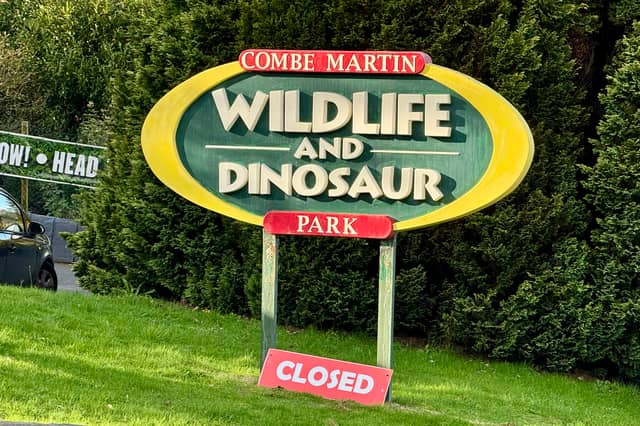

The family behind Combe Martin Wildlife and Dinosaur Park has launched a £50,000 appeal, as its future remains uncertain.
A much-loved North Devon attraction is facing the heartbreaking prospect of closing its gates for good, as the family behind it launches an appeal to care for its animals.
Combe Martin Wildlife and Dinosaur Park, which has welcomed generations of families for almost 40 years, has been the subject of concern since its owners warned supporters that Sunday, November 1, could be its last day open to the public.
A GoFundMe page, titled Support the Animals of Combe Martin Wildlife & Dinosaur Park, has now been set up by Alan Gilbert, who runs the park with his wife Dawn. At the time of writing, it had raised £12,929 of its £50,000 target, or 26 per cent, from 482 donations.
The appeal says the family faces “the heartbreaking possibility of having to close our gates for the final time”, but that the animals “still need us” whatever happens next.
It explains that, should the worst happen, the animals could not simply be moved overnight. The park is already working with other zoos and wildlife collections to find suitable new homes should they be needed, but relocating them safely and responsibly could take weeks or even months. A small team of experienced keepers is being retained to make sure the animals stay safe, healthy and properly cared for in the meantime, but the appeal says meeting those costs without the park’s normal income is “an enormous challenge”.
Money raised will go towards food and specialist diets, keeper wages, veterinary care and medication, heating, electricity and enclosure maintenance, and the safe relocation of animals where necessary.
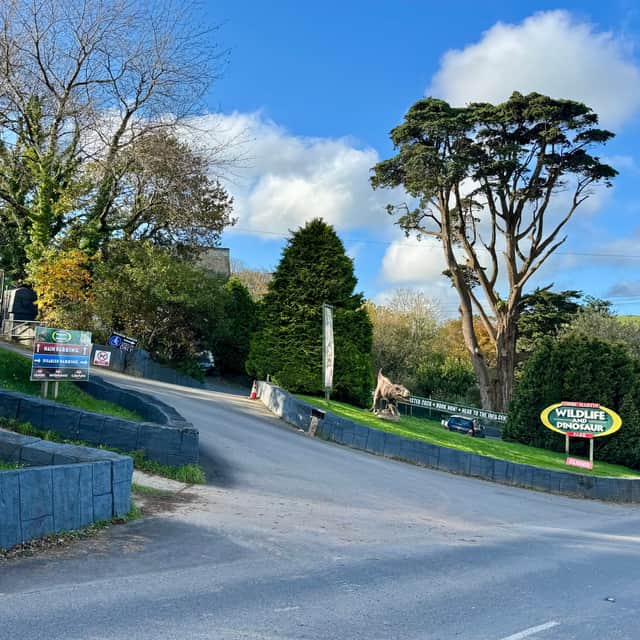
The appeal states that the money is not intended to repay the park’s historical business debts. It also promises clear records of how donations are spent, with regular updates for supporters.
The park has stressed that the GoFundMe page is the only official fundraising page. In an update on Saturday, October 31, it asked people not to click on other links or donate to similar pages claiming to be connected to it.
The appeal also invites businesses, organisations and individuals who could offer substantial financial support, sponsor animal care or explore investment, partnership or purchase opportunities to get in touch through the park’s official channels.
The park said at the time that this was “not a definite goodbye” and that the owners had not given up hope. They said the park had faced enormous financial pressures in recent years and that several potential rescue deals had come very close.
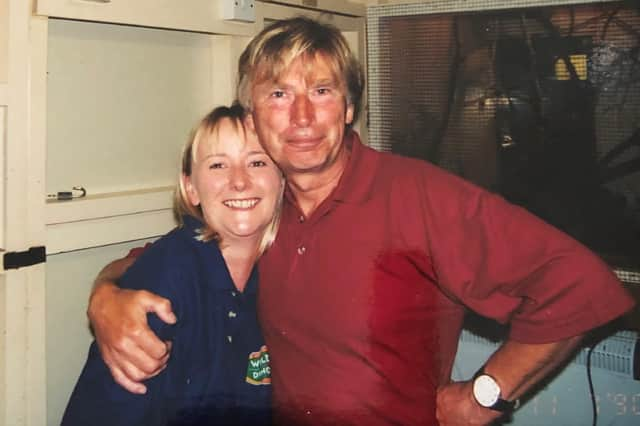
They added that they had held encouraging discussions with potential buyers, investors and financial backers, but that continuing beyond this season may not be possible without new investment or a change of ownership.
The family also said that every animal’s individual needs would be considered in any potential rehoming, and that the welfare of the animals had always been, and would remain, their absolute priority.
The park occupies the Higher Leigh Manor Estate, which was previously a woolly monkey sanctuary and a hotel but had been derelict and overgrown for many years when it was bought by Robert Butcher, known as Bob, in 1985.
Mr Butcher originally intended to turn the Victorian estate into a nursing home. However, the park says he fell in love with the beauty of the valley and its exotic trees and plants, natural waterfalls and streams, and changed his mind. Combe Martin Wildlife Park opened in 1986, with the dinosaurs arriving a few years later.
The park states on its website that visitors can still walk through the unchanged valley and see the unusual exotic trees and plants that were planted in the 1800s. The estate’s Victorian walled garden now forms part of the meerkat enclosure and the back wall of the wolf and macaque enclosures.
Mr Butcher has since died. The park is now run by his daughter Dawn and her husband Alan Gilbert, and the family says their children have worked alongside them. In its message to supporters, the family said the park had never been just a business, but “our way of life”.
They said they had watched children arrive holding their parents’ hands, only to return years later with children of their own, and that many staff over the years had become part of their extended family.
“This isn’t us saying goodbye,” the owners said. “It’s us being honest about where we are, while still hoping there’s another chapter ahead.”