

New scheme aims to help Devon pupils spot abusive behaviour
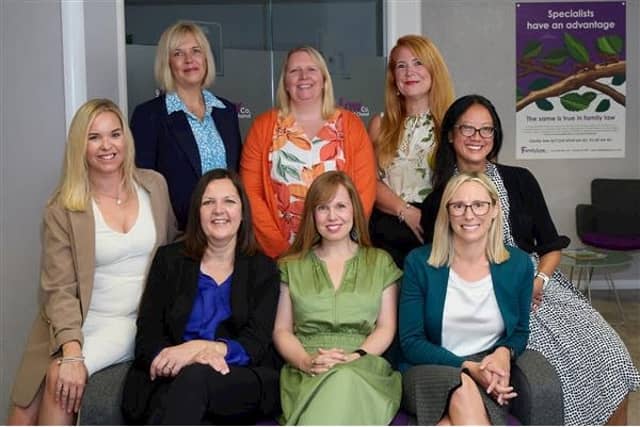

Organisers hope the scheme will help prevent harmful behaviours from becoming established later in life
A new project aimed at helping secondary school pupils recognise coercive control and unhealthy relationships is set to launch in schools in January 2027 after receiving funding from the Office of the Police and Crime Commissioner for Devon, Cornwall and the Isles of Scilly.
The Green Flag Project has been developed by The Family Law Company in response to concerns about misogyny, coercive control and unhealthy relationship behaviours among young people.
The project brings together family law specialists, domestic abuse experts, psychologists and educators to develop a programme aimed at helping young people identify potentially harmful behaviour at an early age.
An article written for The Times by The Family Law Company's director, Carrie Laws sparked the idea, and highlighted the importance of educating young people about coercive control before harmful behaviours become established.
Research carried out as part of the project's development also found widespread concern among schools.
Amelia Davey, director and specialist domestic abuse solicitor at The Family Law Company, said schools involved in the research had reported issues including misogyny towards female pupils and staff, as well as incidents of coercive control between older and younger students.
She said: “These behaviours don't suddenly appear in adulthood. If we can help young people recognise the signs of unhealthy relationships early, we have a much greater chance of preventing abuse in the future.”
The project comes amid national concerns about abuse and controlling behaviour among young people.
A 2025 Youth Endowment Fund survey found that two in five teenagers in relationships reported experiencing emotional or physical abuse, including controlling behaviour, pressure or violence.
Refuge has also reported an increase in domestic abuse affecting young women aged between 16 and 25, including psychological abuse, coercive control and physical violence.
The Green Flag Project's development team includes Amelia Davey, Carrie Laws and Kerry England from The Family Law Company, educator Emily McGuirk and psychologists Dr Louise Robb and Dr Anna Gough.
An initial discovery workshop was held at South Molton Community College to explore how best to engage pupils. This included looking at whether whole-year assemblies or smaller group workshops would have the greatest impact.
The programme is expected to feature three sessions covering coercive control, the characteristics of healthy relationships and friendships, and how young people can seek help or support others when they identify concerning behaviour.
Ms Davey said the sessions would be aimed at all young people rather than focusing solely on male perpetrators of coercive control.
She said: “We want young people to understand what respectful, healthy relationships look like in every aspect of their lives.”
She added that coercive control is a criminal offence and said the project aimed to give young people the knowledge and confidence to make positive choices and challenge harmful behaviour.
The project is being funded as part of Police and Crime Commissioner Alison Hernandez's Disrupt programme, which aims to tackle violence against women and girls.
Ms Hernandez said teaching children to recognise the difference between healthy and unhealthy relationships was important for keeping young people safe.
She said young people were being exposed to adult behaviours at an earlier age and needed the skills to challenge behaviour that made them uncomfortable or crossed into harmful territory.
“Starting these conversations early will help normalise young people talking to their peers about worrying behaviour and give them the confidence to get help from the right place at the right time to stop escalating issues before they come to harm,” she said.
The Green Flag Project is due to begin in schools in January 2027.
Organisers hope that, if the programme demonstrates a positive impact, it could eventually be introduced into more schools across Devon and Cornwall.