

Ian Roome: Lukewarm budget is cold comfort
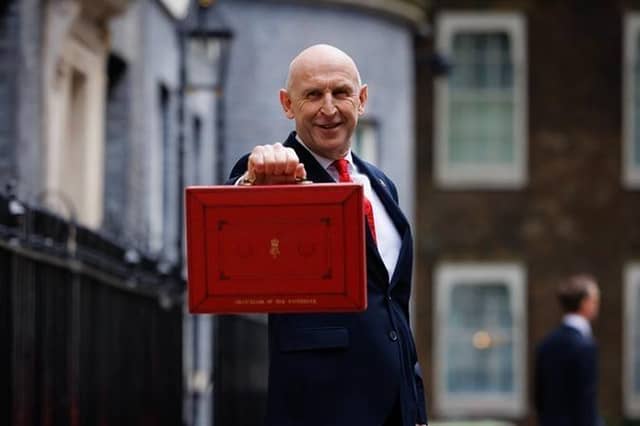

The Budget, presented by new Chancellor John Healey, has been described as lukewarm, with critics arguing it fails to address the needs of rural communities, who are struggling with high fuel prices and energy costs.
Picture the scene: you are the Chancellor presenting the Budget. The public finances are not as healthy as they should be, and Trump’s war against Iran threatens to spike fuel prices, food prices and the cost of living.
By tradition this is the only time you, as Chancellor, are allowed to take a drink into the House of Commons. Probably best to choose something strong.
So it was this past Budget Week, as new Chancellor John Healey, the former Defence Secretary, stepped up to the Despatch Box.
Widely thought a safe pair of hands, John Healey (mineral water) made headlines earlier in the year by resigning in protest at the government’s failure to act on defence spending. Now in charge of the Treasury, this was poacher turned gamekeeper.
But nobody escapes world events or financial gravity, as Donald Trump found out this week.
Back in Britain, the government appears to have responded by sticking to a Budget full of modest ‘retail’ politics: help people with the basics, in small ways, and hope it looks more generous than it is.
For those with gas meters, there was some good news. The extension of the VAT cut on electricity is welcome, and so is the plan to scrap gas standing charges, a longstanding energy market fudge that felt unfair to many. Electricity standing charges will also be scrapped in the future, the Chancellor promised.
But what about rural areas? Almost a third of North Devon households are off-grid and rely on heating oil or LPG, leaving them completely at the mercy of the fossil fuel markets.
When I surveyed off-grid residents earlier this year, people told me they were being quoted prices up to 200% higher than normal. Against that, a £100 Household Energy Payment limited to council tax bands A to D, will only go so far.
Many households living in older, larger and draughtier homes will fall straight through the net. Patchwork one-off payments provide short-term relief, but they are not a long-term solution.
In response to pressure from rural MPs pleading the case of our communities, the government had already promised a new price-cap mechanism to protect heating oil customers, but there was still no sign of it in this Budget.
Yet again, the government treats rural communities as an afterthought. That was never more visible than when Andy Burnham recently boasted of meeting ‘Devon’s MPs’: an embarrassing photograph consisting of just three of Devon’s thirteen MPs, all three invitees from Exeter or Plymouth, and all Labour.
Future Budgets will not get easier until we get the economy growing again. Our farmers and small businesses are still tangled up in red tape and burdened with extra costs every time they trade with Europe, all because the UK is stuck outside the single market and the customs union. Until we deliver growth that puts money back in people’s pockets by cutting their taxes and bills, each Budget will do no more than tinker around the edges.
Cue criticism from the opposition parties that the Chancellor was playing it safe; under-promising, and hopefully over-delivering.
In the end, even defence spending did not escape: with some of the promised increases punted another few months into next year’s Spending Review, spending trimmed, delayed or backloaded, and the new Chancellor probably glad to leave the Commons Chamber unscathed.
The budget was lukewarm at a difficult time for many people. Certainly not the worst, but cold comfort to many.