

Turtle doves return to South West after migration to Africa
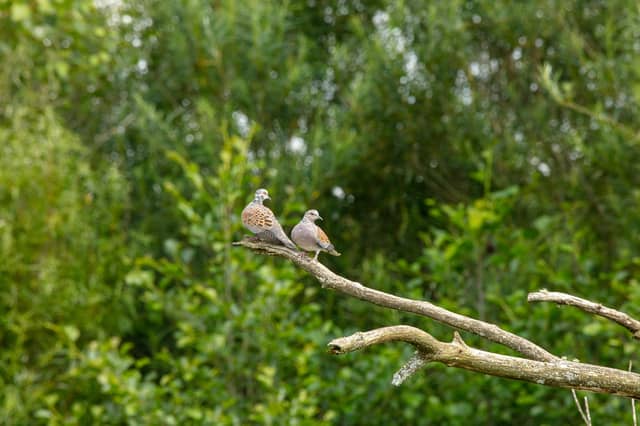

Conservationists say sightings of endangered birds offer encouraging signs for reintroduction project
One of Britain's most endangered bird species has returned to the South West after completing its annual migration to Africa, providing what conservationists say is the strongest evidence yet that efforts to reintroduce turtle doves to the region are working.
Turtle doves released across Devon and Somerset in 2025 have been recorded back at rewilding sites after travelling to sub-Saharan Africa and returning to Britain.
The birds were released as part of a conservation project led by Rewilding Coombeshead, which aims to restore breeding populations of the species in western Britain.
A total of 244 turtle doves were released across three sites in May 2025, including 70 at Rewilding Coombeshead in Devon, 124 at Cannwood Estate in Somerset and 50 at Cove Valley in Devon.
The project says birds have now been recorded at all three locations following their return migration, while additional sightings have also been reported elsewhere in the South West, including Cornwall.
Derek Gow, founder of Rewilding Coombeshead, said the returns represented an important milestone for the programme.
"We knew the birds could survive and breed here. The real test was whether they could complete one of the most challenging migrations undertaken by any British bird and return to the places where they were released," he said.
"The fact that we are now recording returning turtle doves across multiple sites is incredibly encouraging. It suggests we are beginning to rebuild populations in parts of Britain where the species has all but disappeared."
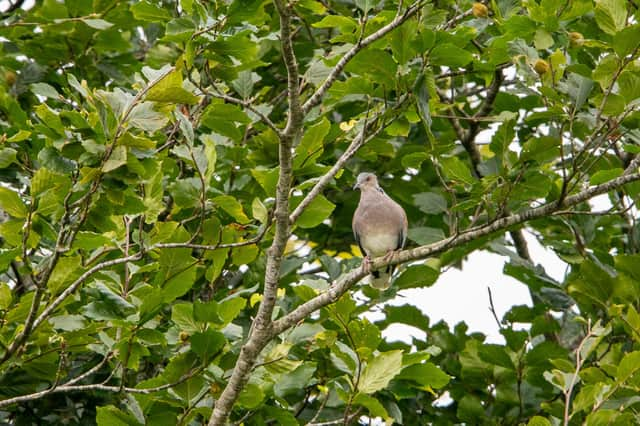
Once common across Britain, turtle doves are now the UK's fastest-declining bird species. According to project organisers, around 2,100 breeding pairs remain, mostly in parts of Kent, Suffolk and Essex.
The species is red-listed and no longer breeds in Wales, Scotland or Ireland, making it effectively absent from much of western Britain.
The reintroduction programme began in late 2023 with the construction of three purpose-built release aviaries to help captive-bred birds adapt to life in the wild.
Following their release last year, the birds were observed nesting, breeding and raising young before leaving for Africa in the autumn. Their distinctive purring call was also heard in areas where turtle doves had not been recorded for many years.
At Cannwood Estate, conservationists have been monitoring returning birds through field observations and remote acoustic recording devices.
A spokesperson for the estate said six sightings had been recorded this spring, with the first taking place on May 3.
The project is set to continue with further releases during 2026 and 2027 at all three sites.
As part of the next phase, some birds will be fitted with satellite tags to allow researchers to track migration routes and better understand the challenges turtle doves face during their journeys between Britain and Africa.
Project partners hope that continued releases, alongside habitat management work, will help establish a self-sustaining breeding population of turtle doves in western Britain within the next three years.