

Major changes to emergency care at North Devon District Hospital
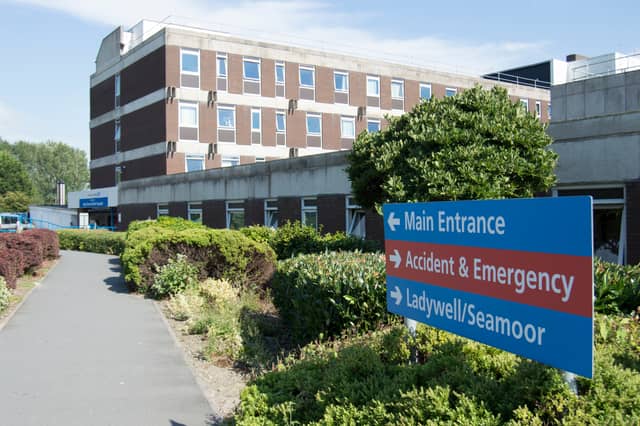

Health trust says it is doubling its same day emergency care services to avoid the need for overnight hospital stays – and issues an Alexandra Ward update
Changes are coming to emergency services at North Devon District Hospital with a major expansion of same day care which the health trust says will reduce the need for overnight hospital stays.
The Royal Devon says it is investing in improvements to urgent and emergency care services, which will see the SDEC (same day emergency care) facility double in size.
It means the current Alexandra Ward will be repurposed into a larger SDEC where more patients can be assessed and treated more quickly, but it will no longer be an overnight in-patient ward.
SDEC already provides assessment and treatment for many serious and complex conditions that need specialist hospital attention but can potentially be dealt with in a single day, sometimes with follow up visits.
A health trust spokesperson said: “This plan sees Level 1 at NDDH become a centre of urgent and emergency care. From the Emergency Department at the front entrance through to the expanded SDEC and Medical Assessment Unit (MAU), the redesigned space will enable us to treat more patients on the same day without the need for a hospital admission.
“Alexandra Ward is not closing, but it is being repurposed to create a larger, purpose-designed SDEC facility where more patients can be assessed and treated more quickly.
“The bed capacity within the MAU will also increase with the creation of a new patient triage area located within SDEC. These changes will help more patients receive faster assessment and treatment, while improving the use of existing hospital space without reducing access to care for local people.”
The trust said the expanded service would be staffed through the existing hospital workforce.
The expansion will be funded through external investment from NHS England, although the trust has not put a figure on the total.
Chris Tidman, deputy chief executive at the Royal Devon, said: “We are investing in North Devon District Hospital and in the future of healthcare services for northern Devon.
“These changes are about strengthening and sustaining local services, ensuring patients can continue to receive safe, high-quality care both now and for years to come.
“By expanding same day emergency care, improving access to urgent support in the community and making the best use of our hospital facilities, we can help more patients receive timely treatment, avoid unnecessary hospital stays and get home sooner when it is safe to do so.”
The trust says it is also expanding community services that provide 24-hour care at home. A dedicated Single Point of Access (SPOA) team will continue to provide specialist clinical advice and take direct calls from ambulance and community teams, helping ensure patients are directed to the most appropriate service.
Some 3,500 people already receive care from the trust’s community nursing and therapy team, in addition to the work by GPs and doctors’ surgery staff.
The trust spokesperson said: “Our ambition is to provide more proactive care through better co-ordination of services, responding quickly to people before their health deteriorates so we can avoid an admission to hospital.”
This could include more ‘virtual care’ where a patient’s health stats are remotely monitored through a device they can wear, or admission to the ‘virtual ward’ where hospital teams monitor the patient’s health. This is in addition to telephone calls, home visits and local appointments already in place.
The spokesperson continued: “Alongside this, we are expanding the award-winning Neighbourhood Flow project delivered with our partner Encompass Southwest.
“Encompass Southwest’s team helps address the non-clinical reasons why someone might be admitted to hospital, or why they are not able to be discharged when medically ready, ensuring people can access the practical support they need to remain independent and avoid unnecessary time in hospital.
“Some patients may receive face-to-face support from community teams, while others may be monitored remotely or supported through follow-up appointments and specialist advice.
“The aim is to ensure people receive the right care, in the right place, at the right time.”