

Major shake up of North Devon’s lifeboats as RNLI announces big changes
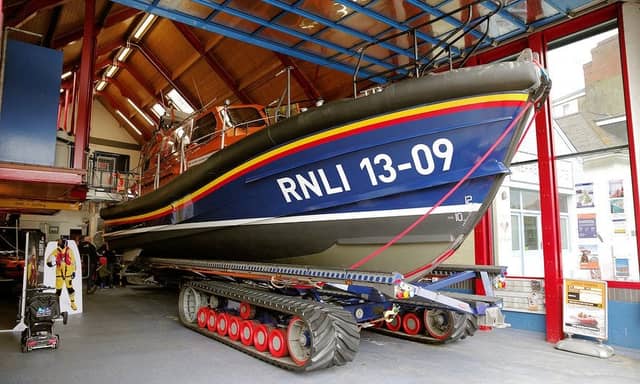

Ilfracombe will lose its all-weather lifeboat and Appledore will see its lifeboat replaced as RNLI launches new fleet strategy to cover ‘changing nature of lifesaving’
Ilfracombe is set to lose its all-weather lifeboat and there will be changes at Appledore too as the RNLI makes major alterations to its South West fleet over the next two years.
The charity announced today (Thursday, October 2) that Ilfracombe’s all-weather Shannon class lifeboat would be replaced with an Atlantic 85 inshore lifeboat.
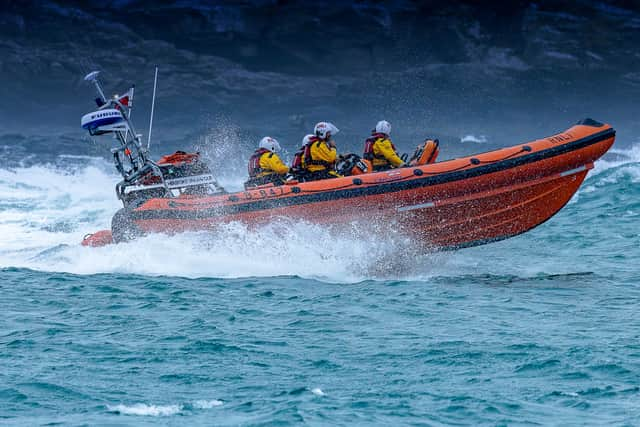
Above: The Atlantic 85 inshore lifeboat will replace Ilfracombe’s Shannon class all-weather lifeboat. Credit: RNLI
Also in Devon, Salcombe RNLI will receive a new Shannon class lifeboat which will replace the station’s current Tamar class.
The RNLI says the changes are part of an organisation-wide lifeboat fleet strategy which will be rolled out in 2026 and 2027.
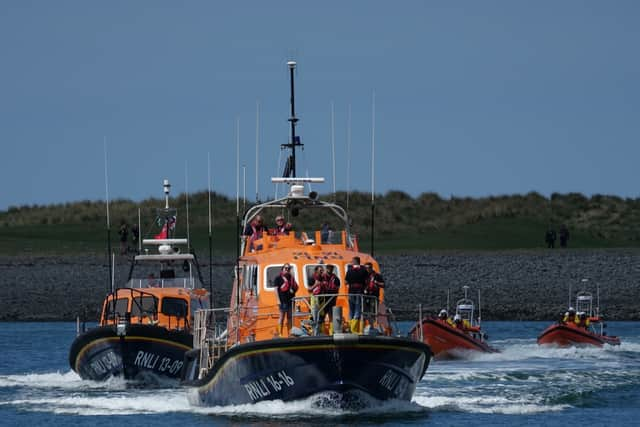
Above: Together for the last time? The current Ilfracombe and Appledore all-weather lifeboats pictured at the Appledore RNLI 200 celebrations, joined by the Clovelly and Appledore Atlantic 85 boats. Credit: Dave James
Ilfracombe’s Shannon class, The Barry and Peggy High Foundation, entered service in 2015, replacing the previous Mersey ALB which had served since 1990.
The RNLI has said the changes are because 98% of its call outs are within 10 nautical miles of the shore, with more and more people using the sea for activities such as open water swimming and paddleboarding.
The Atlantic 85 is a large RiB (rigid inflatable boat) and one of the fastest in the fleet with a top speed of 35 knots. It is designed for rescues close to shore, near cliffs and rocks and can operate in force 7 near gale winds in daylight and force 6 at night.
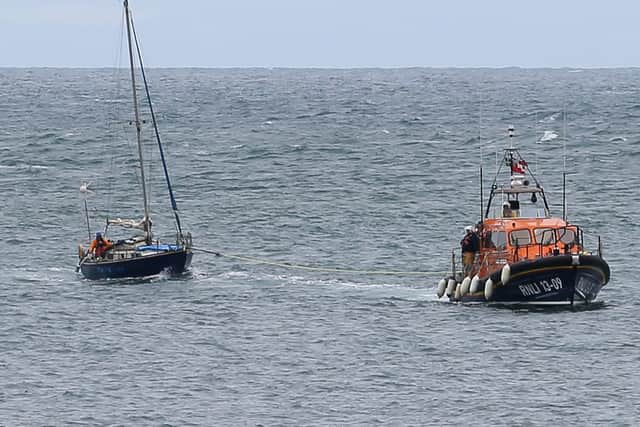
Above: Ilfracombe’s Shannon class has been involved in a number of offshore rescues. Credit: Neil Perrin
Meanwhile, the charity says from Appledore, the Shannon all-weather lifeboat will be in a position to provide all-weather lifeboat cover to flanking inshore lifeboat stations at Minehead, Ilfracombe and Clovelly, respond to major incidents on the North Devon coast and provide cover up to 75 nautical miles offshore into the Bristol Channel.
Adrian Carey, RNLI head of region for the South West, said: “We are confident the Atlantic 85 inshore lifeboat is the most suitable asset for the types of services Ilfracombe attend.
“The configuration of inshore and all-weather lifeboats on the North Devon coast, from Clovelly to Ilfracombe and up to Minehead, with additional cover from the stations in Wales, will ensure our volunteer lifeboat crew can respond to all lifesaving incidents on this important stretch of the Bristol Channel.
“We understand the impact of any change on our people, our staff and our communities and are committed to supporting them through this change. As a charity, it is essential we use donors’ money wisely and allocate the most appropriate resources to save the greatest number of lives in the most effective way.
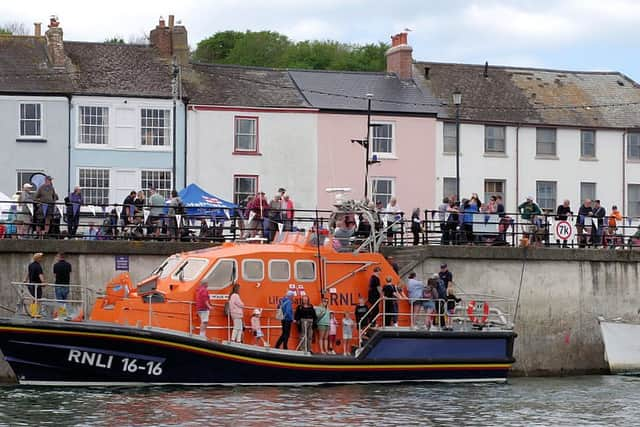
Above: At Appledore, its Tamar class all-weather lifeboat will be replaced with a Shannon class. Credit: Simon Ellery
The charity said this strategy was not about any one lifeboat station but looked at the configuration of the fleet across the organisation, taking into account the capabilities of ‘flanking’ stations and other services to meet the lifesaving demand.
Peter Sparkes, RNLI chief executive, said: “For over 200 years, the RNLI has been a charity with a simple mission, to save lives at sea.
“Clear evidence shows the nature of lifesaving is changing, at a time when demand for our vital service is increasing – we must respond to this.
“If the RNLI is going to save even more lives, our lifeboat and lifeguard services must continue to adapt to these changing needs, we have a responsibility to spend our donor’s money in the right areas and where it will best meet the changing nature of lifesaving demand. Our lifeboat fleet strategy provides us with the principles and information to make these decisions.
“We have reviewed and adjusted our lifeboat fleet and the placement of our lifeboats to meet the changing needs of our volunteers, supporters and communities we serve.
“We need to have confidence that the decisions we make now set us on a sustainable trajectory that is appropriate for the changing nature of lifesaving demand. This is fundamental if we are to achieve our goal of a future-fit, sustainable lifesaving service that keeps our people safe and enables us to save every one we can.”
Tell us what you think – is this the right move for Ilfracombe and Appledore lifeboat stations? Email [email protected] or join the debate on our Facebook page.