A Devon council whose carbon footprint hasn’t decreased in four years due to a “lack of actions” to tackle emissions will be asked to put £150,000 in next year’s budget for energy efficiency measures on its buildings.
However, Torridge District Council’s community and resources committee was informed that much more would need to be spent if it wanted to reach net zero by 2030.
According to Climate Emergency UK, Torridge was one of the worst-performing councils in England last year for tackling climate change.
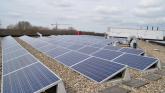
Council officers said the £150,000 is a “modest amount” to install measures like solar PV panels on 10 of its most energy-inefficient buildings.
Estates manager Harvey Gardner said the work should probably have been done five or six years ago and that the council should now be investing in a new generation of zero-carbon buildings.
Claiming businesses and young people want to work in such buildings, he said: “It’s part of firms' corporate responsibility now. They do not want to work in buildings that are not green.”
Presenting her fourth carbon emissions report to the committee, climate change officer Donna Sibley said emissions were up by 31 per cent from a baseline year of 2020/21, but this, in part, is because leisure centres were included two years later.
“However, a lack of action to tackle carbon emissions means no real decrease since 2020/21,” she said. “There has been a lot of discussion, but not a lot of recommendations.”
She was concerned by a lack of realism in council debates: “It’s not just the financial side, but also the staff. You can ask for more funding, but if you do not have the people for the projects, they are not going to be able to deliver them.”
This year, Holsworthy Swimming Pool will be decarbonised, and solar panels will be fitted using government and Sport England funding. Energy surveys will also be conducted on all three Torridge leisure centres.
Ms Sibley said if all this happens as planned, together with the £150,000, the council would reduce carbon emissions from property by 20 per cent in the next financial year.
But another 35 per cent cut would be needed by 2027 and the same again by 2030. “Making decreases going forward will be very difficult due to the carbon funding we have,” she said.
Despite the addition of two new electric vehicles, the council will need to reduce transport emissions by 90 per cent by 2030, meaning the entire fleet will need to go electric or run on hydrogen power, together with encouraging staff to switch to electric vehicles or offset emissions.
The council has delayed adopting low-carbon vehicles for the waste fleet because of costs and concerns that the vehicles may not be able to cope with the district’s hills and lanes.
Most Devon councils have set targets for net-zero by 2030, but recently neighbouring North Devon Council admitted it wouldn’t achieve this goal as it hadn’t been awarded Public Sector Decarbonisation Scheme funding for boiler replacements.
Councillors were told that progress on carbon reduction would be a consideration in local government reorganisation, likely to lead to district councils merging.
Cllr Anna Dart (Ind, Hartland) questioned whether debating the subject was a waste of time, as Torridge District Council may not exist by 2030.
Cllr Chris Leather (Ind, Northam) said the targets are likely to bankrupt councils.
Cllr Lauren Bright (Lib Dem, Great Torrington) said Torridge should lead by example and do everything it could to be a model for its communities.
She said climate change is incredibly important to local people and the council should be spending money on preventing it.
The budget, including climate change funding, will be discussed at a special community and resources meeting next Monday.