

Devon councillor urges Government to follow through on promise to back British farming
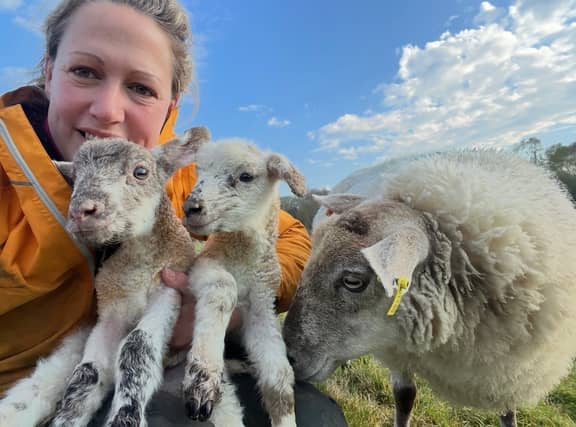

Cllr Cheryl Cottle-Hunkin, a fifth-generation Devon farmer, has called on the Government to turn its promises on British farming into action, after new research found local food procurement could deliver a £1 billion boost to farmers nationally.
A Devon county councillor and fifth-generation farmer has called on the Government to turn its promises on supporting British farming into action, after new research found that sourcing more public sector food locally could deliver a £1 billion annual boost to British farmers.
Cllr Cheryl Cottle-Hunkin, Devon County Council's Cabinet Member for Rural Affairs, said politicians needed to follow through on commitments made to the farming industry, warning that past decisions had already undermined confidence among farmers.
"If politicians are serious about backing British farming, they have to follow through on the commitments they make," she said. "Farmers have heard warm words before, only to see confidence completely undermined by subsequent decisions - for example, the introduction of the family farm tax, which created significant uncertainty and anxiety for farming families. Rural communities want to see promises kept and translated into practical action."
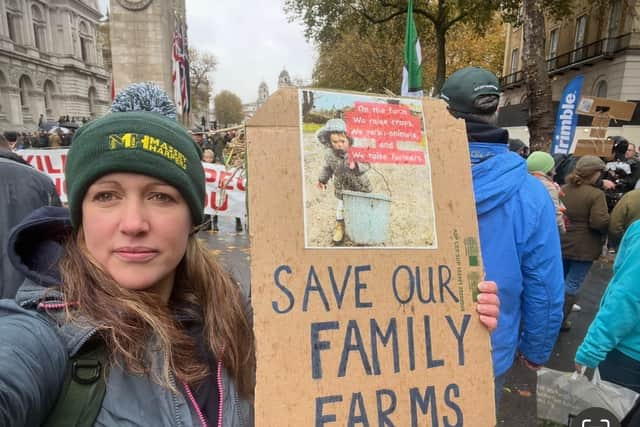
Her comments follow new research from the Campaign to Protect Rural England (CPRE), which found that fulfilling Labour's manifesto commitment to source 50 per cent of public sector food from local and sustainable producers could channel £1 billion a year to British farmers, strengthening rural economies and food security.
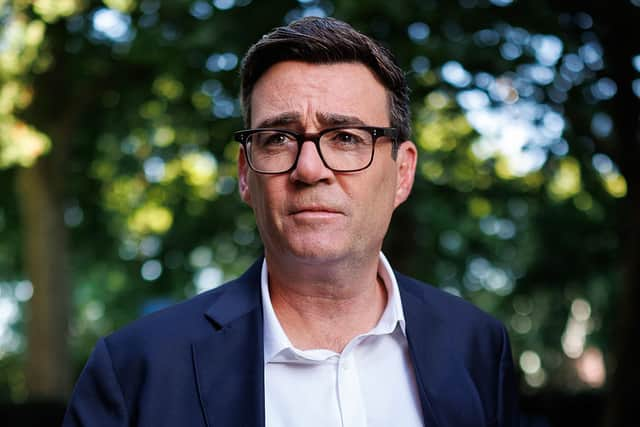
The research follows a speech by Andy Burnham this week, in which he criticised a procurement system that has been "chasing cut-price deals around the world rather than helping our own British-based suppliers become more stable and competitive." He said the UK needed to "safeguard sovereign manufacturing and production capability," naming food and farming alongside defence and steel as sectors where the UK's capability had slipped.
Cllr Cottle-Hunkin said local procurement policy could make a tangible difference to Devon's farming communities. "Supporting more local and sustainable food through public procurement is exactly the sort of policy that can make a real difference," she said. "It strengthens food security, keeps more money circulating in local economies and provides farmers with more confidence to invest for the future."
She said Devon was already pursuing this approach through its work on school food provision. "Here in Devon, we're already making that case through our work on school food provision. We've been briefing MPs on the need for school food funding that properly reflects rising costs, alongside procurement policies that allow schools to buy more fresh, locally produced food. Devon's farmers produce some of the highest-quality food in the world, and our schools should be able to benefit from it.
"If government is serious about supporting British agriculture, then embedding local procurement across the public sector, from schools and hospitals to care settings, would be a practical way of delivering on that ambition while giving children healthier meals and supporting our rural economy."
The wider national picture
CPRE's research points to a 2026 government national security assessment, which warned that "significant increases in UK food system and supply chain resilience" are needed to guard against risks including hunger, conflict and instability driven by ecosystem decline and crop failures. CPRE argues that prioritising local, sustainable food procurement is a practical, low-cost way to address that risk.
The organisation's research published last year found that more than 1,700 farms on the edges of English towns and cities have disappeared since 2010, representing 56,000 hectares of farmland - an area comparable to the size of Leeds. CPRE says smaller and medium-sized producers near towns and cities, of the kind being lost, are precisely those that a reformed procurement system would help protect.
CPRE points to pilot schemes already running in Wales, Bath and North East Somerset, and Bury, which it says show that local food procurement can be delivered with limited additional investment while supporting smaller producers and local economies. It also cites Denmark's 2015 Organic Action Plan, which shifted public food procurement to higher standards nationally within existing budgets, by cutting food waste and prioritising seasonal produce.
The Government's own National Procurement Policy Statement already commits to increasing the proportion of public sector food sourced from local suppliers and certified to higher environmental standards. CPRE is calling on the Government to use its forthcoming Food Strategy Action Plan to turn that ambition into a clear, binding commitment, and for Andy Burnham to treat food and farming with the same seriousness as other sectors deemed key to national resilience.
Graeme Willis, CPRE's agriculture lead and author of the report, said: "The cut-price procurement culture Andy Burnham criticised this week has played out for far too long on hospital menus and school dinner plates across the country.
"The Food Strategy Action Plan is Burnham's opportunity to prove he means business when it comes to British farming. Investing in local producers to supply better quality food doesn't have to cost more money, but will help secure a better future for British farmers, rural communities and our national food security. Examples from the UK and beyond show it can be done."
CPRE's full report can be accessed here: https://www.cpre.org.uk/resources/local-and-sustainable-food-buying/