

‘Windfall’ of extra £3m to be spent on repairing Devon’s pothole-riddled roads
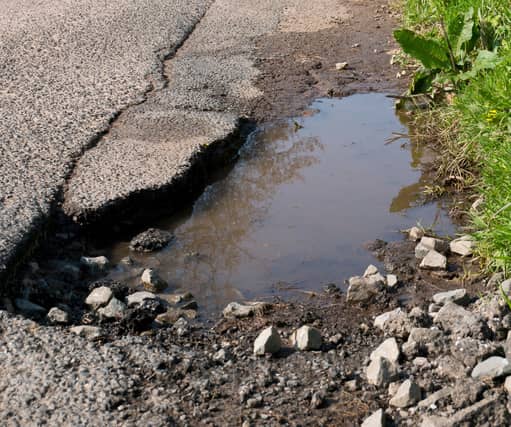

With the government paying off most of Devon County Council’s huge SEND deficit, an additional £3million has now been earmarked for potholes and road repairs
An extra £3million has been approved by Devon County Council to spend on pothole repairs and road maintenance after one of its biggest debts was eased by the Government.
The SEND (special educational needs and disabilities) shortfall hanging over the council for years was expected to reach as much as £180m this year, but the Government has pledged to pay off 90% of council SEND overspends following a national shake up.
Devon County Council’s cabinet was told this meant a £7.4m pot earmarked to help reduce the SEND deficit was no longer needed and could be used for other things.
Yesterday (Wednesday, March 11) the cabinet agreed to put an extra £m into the highways budget for the current financial year, for ‘reactive maintenance’.
It said the extra money will help address increased maintenance pressures created by winter weather and recent storms, supporting work to repair potholes, respond to winter damage and deal with the effects of storm conditions.
The number of potholes reported last month stood at 9,700 - 90% higher than the same period last year.
The £3m is in addition to a £36m commitment for highways maintenance already approved for the new financial year, starting in April, an increase of £6m compared with the previous year.
The council also said it would be spending more than £100m in capital investment for preventative maintenance.
Councillor James Buczkowski, cabinet member with responsibility for finance, said: “Devon has one of the largest road networks in the country, and periods of severe winter weather inevitably take their toll.
“The additional £3m agreed today will help address the pressures created by storms and winter conditions across the network.
“Maintaining Devon’s roads is essential for residents, businesses and rural communities who rely on them every day. This additional funding will help us respond to the pressures of winter while continuing to increase investment in the years ahead.”
As part of the new approach to SEND funding, councils are likely to have to fund the remaining 10% of their SEND-related deficits, but it isn’t yet clear how this will happen.
They may be required to budget annual payments, or they may be allowed to borrow money to cover it, but no firm guidance has emerged yet from Westminster.
After the 2027/28 financial year next year, the Government is expected to manage the schools budget, of which SEND is a part.