

Water buffalo are being deployed to restore North Devon wetland
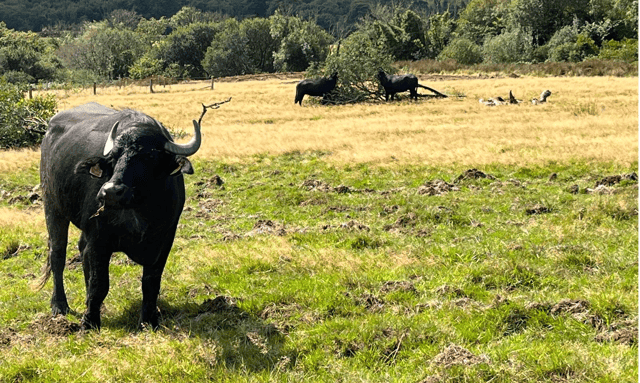

National Trust brings in specialist ‘wetland architects’ in the shape of water buffalo for North Devon West Exmoor wetland site
The National Trust has brought in nature’s ‘heavy machinery’ to help shape wild wetlands on West Exmoor in North Devon.
Water buffalo are playing a vital role in helping to naturally shape the landscape on 120-acre site at Tattiscombe near Heddon Valley as part of the trust’s ongoing ‘re-wetting’ project.
The Tattiscombe site includes wood pasture, grassland, hedgerows and wetlands. The arrival of the buffalo marks a new chapter in the restoration of this special place, helping to connect habitats and boost biodiversity.
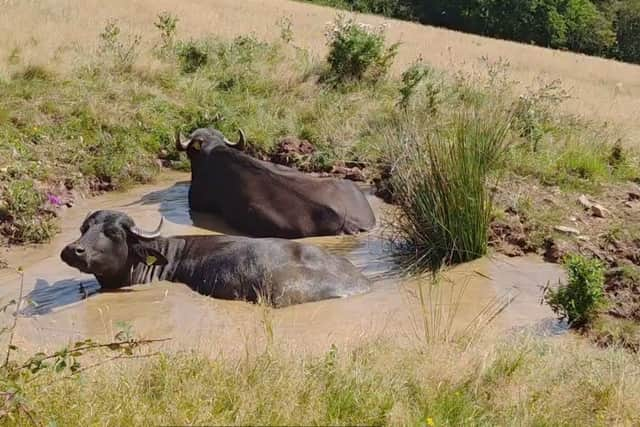
Above: Buffalo enjoying the pools on the site near Heddon Valley. Credit: NTI Jack Ward
Their browsing behaviour clears scrub, making space for wildflowers and other species to thrive, which in turn supports insects, birds and mammals.
Murray Sharpe, farm manager for the West Exmoor National Trust, said: “Buffalo are specialised wetland animals and this site offers an ideal habitat for them.
“They’re hardy, disease-resistant and able to thrive on rough forage. Their thick skin and natural wallowing habits make them more tolerant of flies and ticks than cattle, which means they’re well-suited to this landscape.
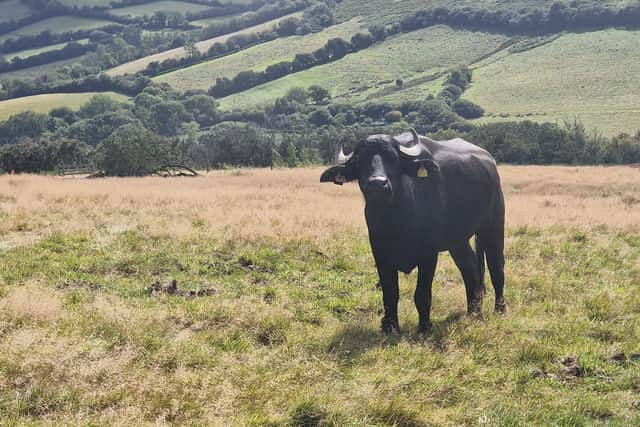
Above: Water buffalo at the wetland restoration site on West Exmoor. Credit: NTI Bob W
The buffalo’s arrival builds on the success of the Riverlands project, completed in 2024, which restored lost wetland by diverting a stream back into its natural floodplain. This work helps the site hold water during floods and droughts, boosts biodiversity and improves the landscape’s resilience.
The project is funded by the Government’s Species Survival Fund, developed by Defra and delivered by The National Lottery Heritage Fund in partnership with Natural England and the Environment Agency.
Alex Palmer, project manager for the North Devon Riverlands project, added: “Introducing buffalo here will build on the success of the work already completed on site, adding a natural way to keep ponds and scrapes open, spread wetland plants and create new niches for insects and birds. The buffalo are a key component to the future success for this site and we are looking forward to seeing their impact.”
Alongside the buffalo, mangalitsa pigs are also helping to shape the landscape. Their rooting behaviour creates bare ground that supports wildflowers and insects, while slowing surface water. These disturbed patches are over-sown with wildflower seed, which the livestock help distribute naturally as they move across the site.
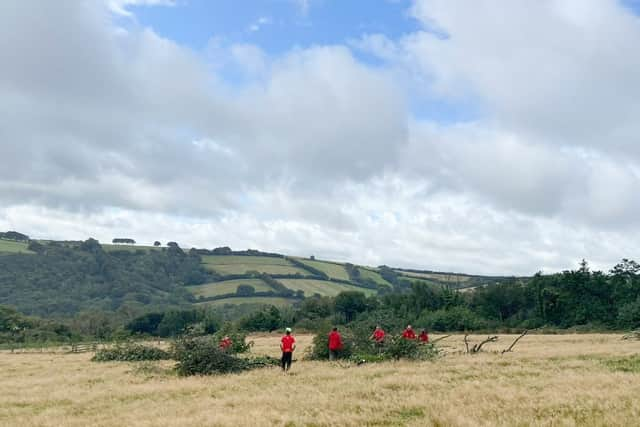
Above: Volunteers creating wildlife habitat piles from hedgerow cuttings. Credit: Bethan Dodds
Jack Ward, area ranger for West Exmoor, said: “Our incredible volunteers have been at the heart of everything, from carrying out wildlife surveys to removing miles of fencing. Their energy and dedication have really brought this site to life.”
As the buffalo settle into their new home, the team will continue monitoring how the landscape responds - tracking changes in water flow, plant diversity and wildlife numbers over the coming years.