

Water: An increasingly scarce resource - Tim Jones

We have all had abundant warning about climate change and the implications to the planet if we do not drastically reduce our carbon emissions. Virtually everyone recognises the reality of this situation but for many it is simply too big a problem to wrest
We have all had abundant warning about climate change and the implications to the planet if we do not drastically reduce our carbon emissions. Virtually everyone recognises the reality of this situation but for many it is simply too big a problem to wrestle with. Certainly for many small business, this is yet another cost and for most a step too far.
We are beginning however to see what the effect is of climate change. From this there is no doubt that some of our current business activities will need to be adjusted, particularly in the agricultural sector.
There is a healthy debate ongoing currently regarding the hosepipe ban imposed by South West Water. This has raised many concerns, particularly in light of the deluges of rain that we have recently experienced. Nevertheless, the fact is that some of the South West reservoirs are at low levels and the only solution is to impose these restrictions on water usage.
It is perhaps worth looking at the big picture here to see how other countries are experiencing similar difficulties.
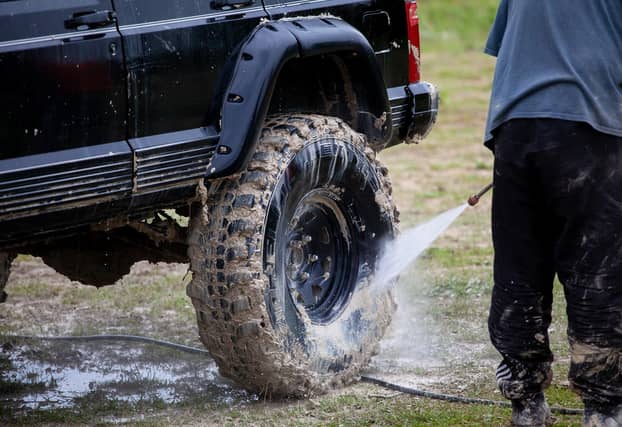
In France, for example, Water Wars have erupted as President Macron has just imposed harsh measures to protect supplies amid the start of one of the hottest seasons on record. In some regions watering gardens, filling swimming pools, cleaning cars and showering on the beach are now banned, provoking a furious response. The emotional reaction however needs to be measured against the simple fact that 75% of French aquifer levels are below average. In some regions the situation is described as catastrophic. In one Departement which usually receives 460 ml of rain per sq. m. per year, has currently only had 160 ml, the lowest figure since measurements began 100 years ago.
One property owner who has a small holding experienced that his well which is 7m deep was completely dry. In some areas streams and water channels which had been used for decades to irrigate for example fruit crops, such as, peaches, apricots, nectarines and vegetables have been warned that they need to reduce irrigation by up to 80%. The French Government is proposing drastic and controversial action. It is building a series of “Mega Basins”. These are huge reservoirs that cover several hectares. This has already provoked violent protest.
There is a very similar story emerging in parts of Spain, such as, Alicante (the “Garden of Europe”). Here also dramatic language is being used about Spanish farming being mortally wounded because of the effects of record temperatures and drought. A similar picture is emerging in the United States, where so much water is being used for farming purposes that rivers such as the Colorado and Rio Grande failed to reach the ocean. These falling water tables are adversely affecting biodiversity and many of our traditional species and habitats.
For the UK at national policy level, this is shaping up to be an even bigger disaster. In effect, there has been four decades of underinvestment. We already know that there are far too regular occurrences of discharges of untreated sewage into rivers and coastal areas. There are currently 18 strategically vital projects which have been identified to tackle some of these issues but national guidance and planning policy has yet to sign these initiatives off.
It seems almost inevitable that our farming industry will be under the spotlight as a result of these increasing concerns. It is estimated that farming practices consume around 70% of total fresh water use worldwide. A dairy cow drinks around 100 litres of water daily and it takes around 600 litres of water daily to wash down the parlour.
This debate is only just beginning, it is essential that we recognise the implications here and start to plan ahead for a world which will experience increasingly scarce supplies of something we all take for granted – clean water.