

Sight, sound and feel of ocean is so crucial - David Worden
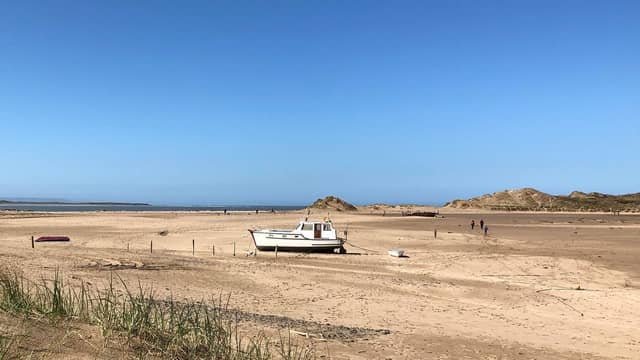

During the last few weeks we have witnessed massive waves crashing against our North Devon shoreline. During the recent storms the scenes were particularly spectacular as there is no denying the power of the ocean. Scientists tell us that the health of ou
During the last few weeks we have witnessed massive waves crashing against our North Devon shoreline. During the recent storms the scenes were particularly spectacular as there is no denying the power of the ocean. Scientists tell us that the health of our ocean is inextricably linked with our climate and with human health, wellbeing and prosperity. A healthy ocean is fundamental in regulating the global climate system and is an essential ally in our fight against climate change. I understand that the ocean absorbs more than 90% of the excess heat in the climate system as well as absorbing around 20% of annual carbon dioxide (CO2) emissions generated by human activity. That is massively important in the fight against global warming and an unhealthy ocean does not absorb or store carbon as effectively as a healthy one.Â
However, the impact of the climate crisis on the ocean is becoming more and more evident. We see rising water temperatures and changes in ocean chemistry, increased storms and rises in the sea level. This has the effect of accelerating the erosion of our coastline and increasing the risk of flooding all along the Taw estuary. On a national scale it is also very concerning that marine microplastics have been found in all marine environments and in the bodies of many species, including humans and the species of fish we regularly eat.Â
So I am particularly pleased that Councillor Malcolm Wilkinson, North Devon Council’s lead member for Coastal Communities, has followed up his motion to the District Full Council last May about protecting our rivers from sewage and pollution, with one about our oceans. Last year he reported that water companies admit that in 2020 alone untreated human waste was released directly into our waterways over 400,000 times for a total of 3 million hours. As part of the motion the NDC members reaffirmed their support for the surfers against sewage campaign for an end to sewage discharge into our bathing waters by 2030.Â
This new motion is a product of Cllr. Wilkinson’s work with the Local Government Association Coastal Issues group and builds on studies by Emily Cunningham (Lead Officer for this group) and Doctor Pamela Buchan (a marine biologist and member of Plymouth City Council).Â
The Full Council referred the motion to the Strategy and Resources committee for further debate as it calls for action by both the Council and the Government to support the health of our oceans. For North Devon the ocean is vital for our economy. It is essential that our beaches do not become full of litter as it will affect the quality of life for many of our residents and also our tourist industry will suffer. We are so fortunate in having some of the best beaches in the country and I am very grateful for those who regularly clear the rubbish that has been washed up on our shores. Organisations such as ‘surfers against sewage’ do a great job in encouraging us all to protect our coastline as we need clean safe recreation and healthy coastal communities. Visitors don’t come to North Devon wishing to see loads of plastic and rubbish washed up by the tides or see the water polluted by sewerage but many people are attracted here because of safe bathing water and the excellent surfing that is available. Thousands of visitors come to North Devon to experience the sight, sound and feel of the ocean and long may it continue. I must admit that I too take great delight in listening to the sea lapping upon the shore. On a gentle summer’s evening there is almost something magical about it which is good for our mental health and well-being.Â
The Atlantic Ocean is at the heart of our heritage and economy. So I believe that we must strive to develop a sustainable and equitable blue economy that delivers both ocean recovery and local prosperity.Â