

‘Risk to life’ red heat warning issued for the South West of England
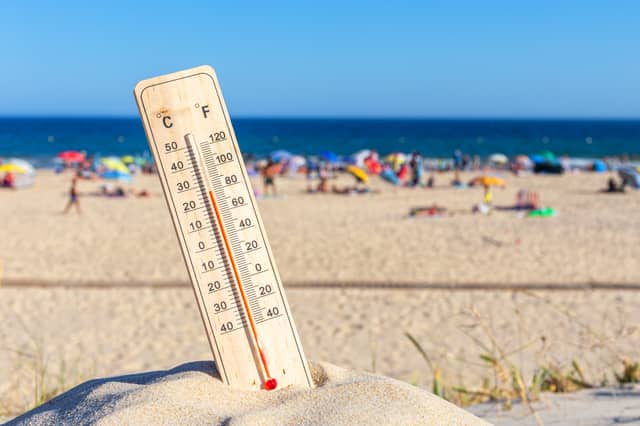

As the heatwave looms, the UKHSA has issued its highest red warning for the South West while the Met Office has issued an amber warning for the North Devon area this week
A red heat health alert has been issued by the UK Health Security Agency (UKHSA) for the entire South West, starting at 1am on Wednesday, June 24.
Meanwhile the Met Office has issued an amber warning for extreme heat across Devon, with temperatures forecast to rise as high as 38 degrees in Barnstaple on Wednesday and 36 on Thursday, before tailing off towards the weekend. Both warnings are set to end by 11.59pm on Thursday.
While North Devon is experiencing some rain showers this afternoon (Monday), they will dry up towards the evening, with hot sun forecast between Tuesday and Thursday and even overnight temperatures will remain at around 20 degrees.
It is expected some of the UK temperature records will be smashed in the week ahead.
The UKHSA red heat health alert is rare and agency said such extreme temperatures pose a risk to the healthy population as well as more vulnerable groups such as the elderly, those with health conditions and children.
It said there could also be potential effects on transport systems, food, water, energy supplies and businesses.
But as with any hot weather, people can avoid the biggest risks by drinking plenty of water and staying out of the sun during the hottest parts of the day.
Sarah Bird, lead consultant in health protection at UKHSA South West, said: “Very hot weather is forecast across the South West in the coming days and we are urging health and social care services across the country to ensure they are prepared.
“It is vitally important that people understand the risk posed by high temperatures like these, and take steps to keep themselves and their friends, families and neighbours safe.
“A red heat health alert indicates a risk to life for even the healthy population, but simple actions like staying hydrated, avoiding the sun during the hottest part of the day and keeping your home cool can make a big difference.
“It’s also important to look out for others, especially elderly relatives, neighbours and those with underlying health conditions, to make sure they are aware of the forecast and following the necessary advice.”
A secondary danger that saw several deaths in the UK during the last heatwave is cold water shock.
The sea temperature in North Devon is currently around 15 degrees, which is viable if swimmers acclimatise to it first, but rivers and lakes may be much colder.
The UKHSA said old-water shock can affect even strong swimmers when entering cold water on a hot day.
Advice for keeping your cool during the heatwave
* Keep your home cool by closing windows and curtains in rooms that face the sun
* Look out for those who may struggle to keep themselves cool and hydrated – older people, those with underlying conditions and those who live alone are particularly at risk
* Stay cool indoors by closing curtains on rooms that face the sun – and remember that it may be cooler outdoors than indoors
* Drink plenty of fluids and avoid excess alcohol
* NEVER leave anyone in a closed, parked vehicle, especially infants, young children or animals
* Check that fridges, freezers and fans are working properly
* Try to avoid direct sunlight, especially between 11am and 3pm when UV levels are highest. If you do go outside, cover up with suitable clothing, such as an appropriate hat and sunglasses. Seek shade and apply sunscreen regularly
* Walk in the shade, apply sunscreen and wear a wide-brimmed hat, if you have to go out in the heat
* Avoid physical exertion in the hottest parts of the day
* Make sure you take water with you if you are travelling
* Take care and make sure to follow local safety advice if you are going into the water to cool down
* Check medicines can be stored according to the instructions on the packaging
* If you are going to do a physical activity (such as exercising or walking the dog), plan to do these during times of the day when it is cooler, such as the morning or evening. Also check weather forecasts to see when it will be cooler
More information on common symptoms of heat exhaustion and heatstroke and what to do if you or someone else experiences them are available on https://www.nhs.uk