

OPINION: Those Energy Bills and the Windfall Tax - Tim Jones

It is always a challenge for us to try and make sense of what happens in Whitehall. Over the last six to nine months this has probably been more difficult to comprehend than I can ever remember. More important to Northern Devon is whether Whitehall are d
It is always a challenge for us to try and make sense of what happens in Whitehall. Over the last six to nine months this has probably been more difficult to comprehend than I can ever remember.
More important to Northern Devon is whether Whitehall are doing things that are helpful or relevant to us. What we do know, however, is that for reasons largely outside the governments control, we are in the middle of a perfect storm regarding prices and in particular the cost of energy.
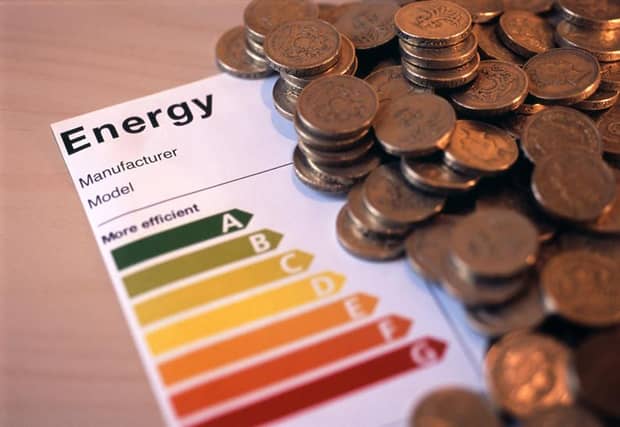
We know that the current energy price cap will increase to £2,800 a year from this October. Across 28 million households the jump from the present cap of £1,971 a year, tots up to £23 billion of higher bills. The best estimate is that this could drag 9.6 million families across the country into fuel stress this winter. Politically this, when combined with all the other Party Gate nonsense, makes the Government extremely vulnerable to the power of public opinion. The issue of whether the Chancellor’s measures across all households will make a material difference to this remains to be seen. There is probably not a lot more that can be done that is affordable.
It is vital therefore that there is a long term investment into our energy systems to make sure that for the future some of these huge spikes in price never happen again.
A lot more households recognise the importance of reducing their energy bills. A recent trade survey showed that householders are far more interested, than at any previous time, in investment in installing insulation within their houses, heat pumps or solar panels on the roof. This is slowly overtaking the appetite to install new kitchens and bathrooms. There can be no doubt that huge energy savings can be made through these investments. Certainly, all the indications are that both the price of heat pumps and of solar panels is beginning to drop significantly and become far more affordable. The government also need to re-introduce the feed-in tariff for solar panels and Renewable Heat Incentive for heat pumps to make this worthwhile for the householder.
The challenge for us as tax payers and for government, is how this can be paid for. The Treasury have indicated that they would like to raise around £10 billion from a windfall tax. Those companies who are seen to have earnt huge profits out of energy price rises are the target for this type of taxation. Certainly many of the big companies in this sector are anticipating that a substantial one off payment will be required.
All our emotions would suggest that this would be the right decision and that these big companies should pay from the huge profits they have been earning. The counter argument, however, should not be ignored. In order to reach our Net Zero target by 2050, the UK needs to invest around £50 billion a year in green projects from now onwards. This suggests that the total bill would be in excess of £1 trillion. Against this background, is it sensible to hit these companies in the pocket when they might be persuaded to invest for the future in energy efficient technologies and equipment? Again, logic and passion suggest that there is an easy answer to this, which is “of course they should”.
Perhaps, however, a less emotional answer is that we need both these things to happen. Somehow, therefore, the Treasury need to come up with a cunning plan. This should impose a windfall tax but followed up by progressive tax on excess profits and balanced by tax incentives where appropriate investments are made in research and development and the delivery of new energy efficient technologies.
A knee-jerk short term reaction therefore may suit the government’s agenda and in-part shelter them from the negative publicity surrounding Whitehall. It may not however be the best solution for us.
A healthy debate on this topic would be something that I would encourage. This would also help our Whitehall representatives (MPs) to properly reflect the sentiments of our communities and businesses. Please therefore speak up loudly on this subject.