

North Devon has some of the worst Japanese knotweed hotspots in the county
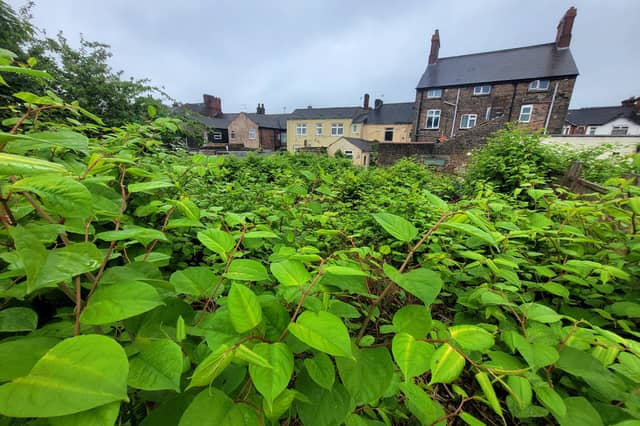

New data from Environet has given North Devon four of the top 10 Devon hotspots for the stubborn and invasive plant
North Devon has earned the unenviable position of having four of the top 10 Japanese knotweed hotspots in the county, according to a leading specialist.
Invasive plant consultancy Environet has revealed the 2026 Japanese knotweed hotspots for Devon, based on its own online which has more than 100,000 records of infestations across the country.
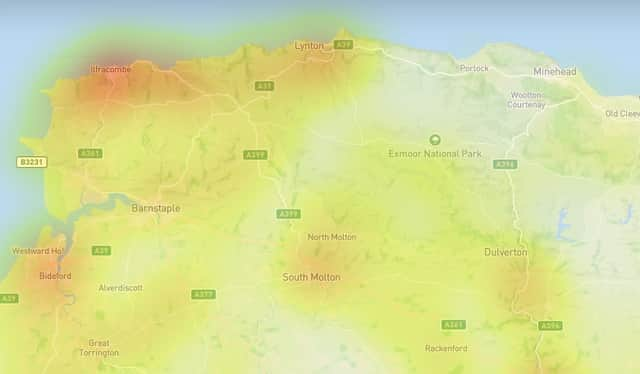
Barnstaple comes in at fourth in the top 10, with 58 sightings of the damaging and invasive pest, while South Molton is at seventh with 36 sightings, Bideford at eighth with 35 and Holsworthy also has 35.
Plymouth takes the unwelcome accolade of first place with 120 sightings.
Introduced to Britain as an ornamental garden plant in Victorian times, Japanese knotweed has since spread across the country and is notoriously difficult to eradicate, with even fragments regenerating into new plants.
The root system can spread up to seven metres underground and if left unmanaged, knotweed can cause damage to buildings, hinder property sales and lead to legal disputes if it spreads across property boundaries.
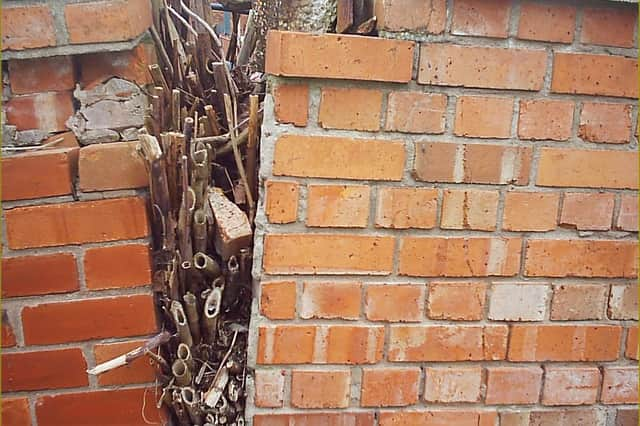
Research by Environet in partnership with Censuswide in 2026 showed that seven per cent of the UK’s homes – more than 1.58 million properties – are affected. Property values are typically reduced by around five per cent, equivalent to £13,500 per home.
Environet director Emily Grant said, “Japanese knotweed is now firmly established right across the country, which means homeowners everywhere should know what to look for.
“My advice to anyone living, or buying a home, in a Japanese knotweed hotspot is to check your garden regularly during the growing season. At this time of year, an established knotweed plant can be identified quite easily by its hard bamboo-like canes and distinctive bright green shield-shaped leaves which grow in a zig-zag pattern along the stem.
“The earlier it’s spotted, the easier and cheaper it is to deal with. Acting quickly with professional advice will prevent it spreading further and help protect both your property and its value.”
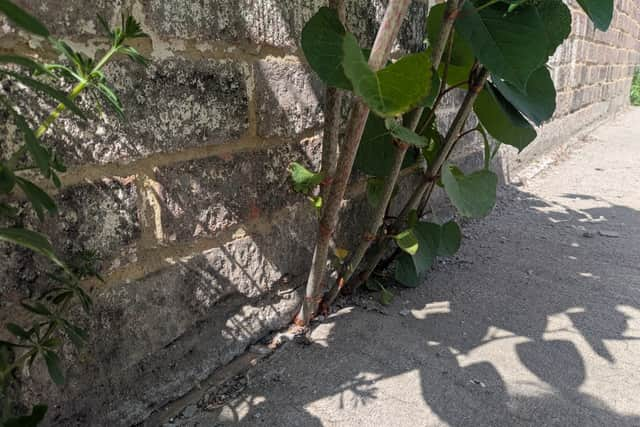
Anyone who suspects they may have knotweed on or near their property can email a photo to Environet at [email protected] for free identification.
You can view Environet’s interactive heat map at https://www.environetuk.com/exposed-japanese-knotweed-heat-map