

Heart-broken North Devon farmers call for help to fight bluetongue outbreak


Farms across North Devon have been hit hard by the bluetongue disease and say the government is not doing enough to help as the livestock death toll grows. Warning: Contains some distressing images
Distraught farmers and smallholders across North Devon are calling on the government to wake up and take action as the deadly bluetongue virus takes its toll on sheep and livestock across the region.
As of yesterday (Thursday, August 13) there were 395 cases of the killer disease in England, according to Defra (the Department for Environment, Food and Rural Affairs) but Devon has by far the greatest number of any county, with 228 cases and increasing by the day.
The North Devon Gazette has spoken to several local farmers who are heartbroken at the loss of their animals but also angry at the government for reacting too slowly to the outbreak and not taking the urgent measures needed.
Among them is Cheryl Cottle-Hunkin, who is a sheep farmer near Torrington but also the Devon County Council cabinet member for rural affairs.
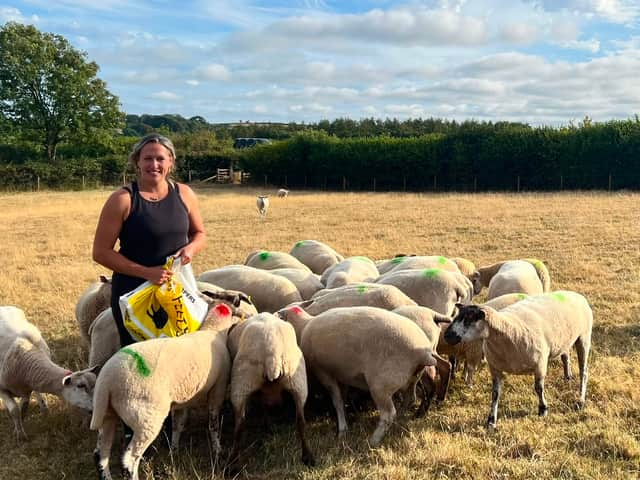
Her family farm now has lost a number of sheep, running into double figures and she is calling for faster and simpler testing by government agencies, clearer reporting of the number of affected farms, better communication with farmers about local cases and enough vaccine supplies to meet demand.
In a letter to Dame Angela Eagle, the Secretary of State for Environment, Food and Rural Affairs, Cllr Cottle-Hunkin warned the government response was not keeping pace with the outbreak and said Defra’s reporting “significantly underestimates the true scale and severity of the disease.”
Bluetongue was first recorded in the UK in 2006 and is transmitted by biting midges from the continent, with the current dry conditions and hot summer proving perfect conditions for the insects to breed here and cultivate the virus.
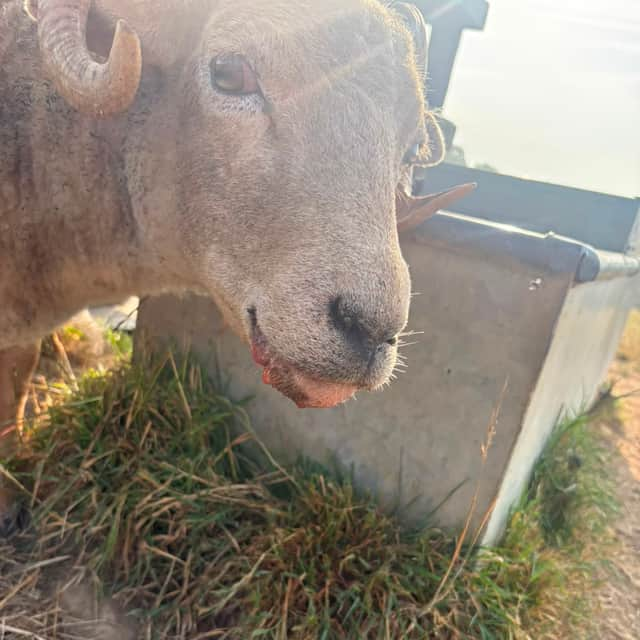
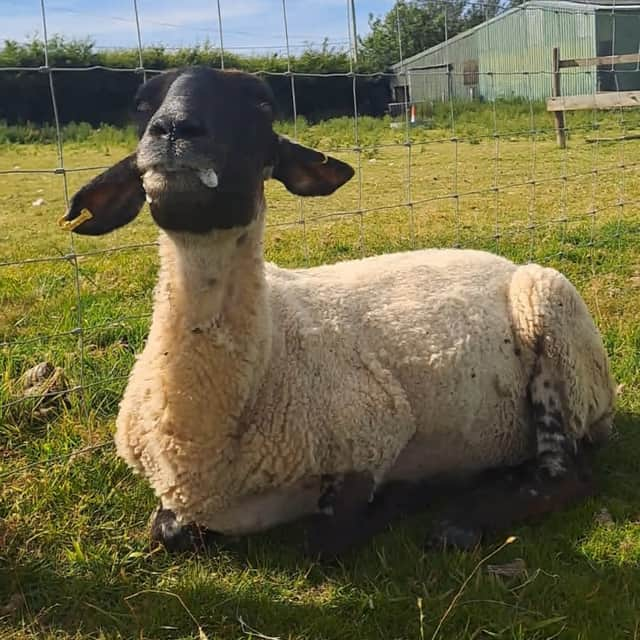
The disease affects cattle, sheep, goats, alpacas, llamas and other ruminants. Symptoms can vary from animal to animal and can include fever, lameness, depression, swelling of the face, neck or mouth, ulcers, drooling, snotty/bloody noses, partial blindness, unexplained reproductive problems and sudden death.
The respiratory symptoms can cause the tongue to protrude and turn blue, hence its name.
There is a vaccine but it takes three weeks to become effective and farmers often choose not to vaccinate because historically numbers of bluetongue cases each year are quite low. Some have told the Gazette had they known there was an outbreak this year, they would have done so, but the government didn’t tell them.
Cllr Cottle-Hunkin said: “Devon's farmers are facing a very difficult and worrying situation.
“We need much faster testing, better communication and reliable access to vaccines to help protect livestock and support farming businesses.
“That's why I've written to Government to press for urgent action.”
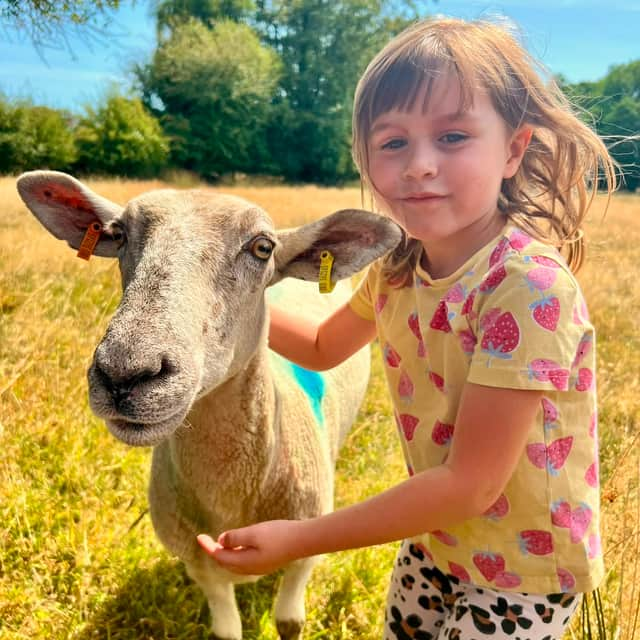
Tracey Day and her family have farmed at their 5-acre Ridges Farm in Upcott Dowland, between Iddesleigh and Dolton, for three generations.
They have around 40 ewes and 60 lambs plus 13 cattle. When three sheep showed symptoms, they thought it was heat exhaustion, but a neighbour called to let them know his holding had bluetongue, as did other farms around them.
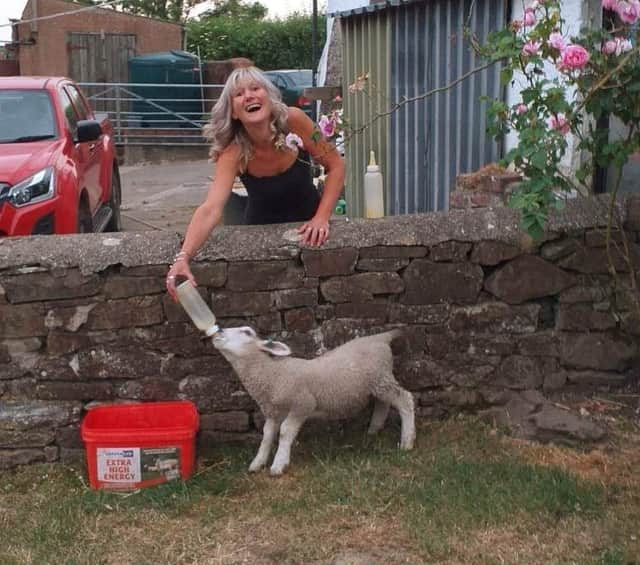
They have now lost four animals, including one this morning, but hope ongoing treatment with antibiotics, painkillers and applying insect repellent has seen them through the worst.
When she first contacted the vet she was told to call the Animal and Plant Health Agency (APHA) to report the cases.
Under current policy the APHA typically tests only three animals per holding to confirm infection.
Tracey still has not had the test results back, three weeks later.
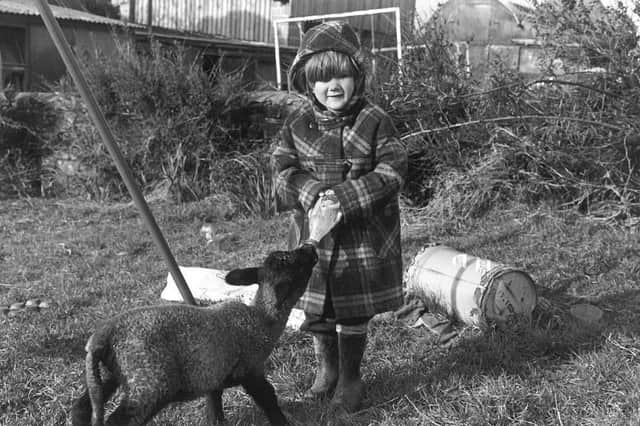
She said: “I would like to think that in 2026 there is better more effective testing.
“As farmers we had no clue that we needed to vaccinate as wasn’t in our area. The government has let every farmer down with no compensation and huge losses.
“The real problem is lack of communication from the APHA and government to farmers - if we had known sooner we would have vaccinated and been prepared for this, but no one was.
“We are only a small farm compared to others, but any loss is too much. It’s been very stressful on everyone in the farming community.”
James and Katie McMahon at Kings Nympton keep a small flock of 15 pedigree Portland sheep, including eight breeding ewes. They also look after a herd of 25 Hereford cows.
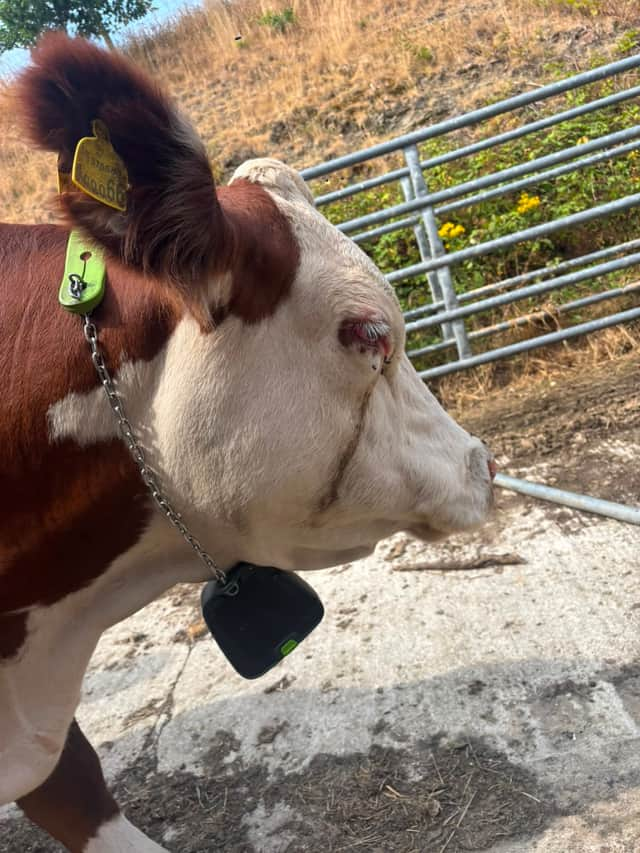
They first spotted symptoms in their sheep on July 22 and called Torch Vets, who Katie said were “incredibly responsive, providing excellent advice and support.”
She went on: “Blood samples were taken and within a week we had confirmation of bluetongue. With their help, we secured a vaccine within two days and vaccinated both our sheep and cattle.
“Looking back, we wish we had vaccinated sooner. However, the current climate and periods of extreme heat have not helped, creating ideal conditions for midge populations to thrive and increasing the spread of the bluetongue virus.
“Sadly, all eight of our breeding ewes have shown symptoms. We have already lost two and may lose another two. Those that have survived are still suffering with laboured breathing and severe lameness, requiring constant care and monitoring.
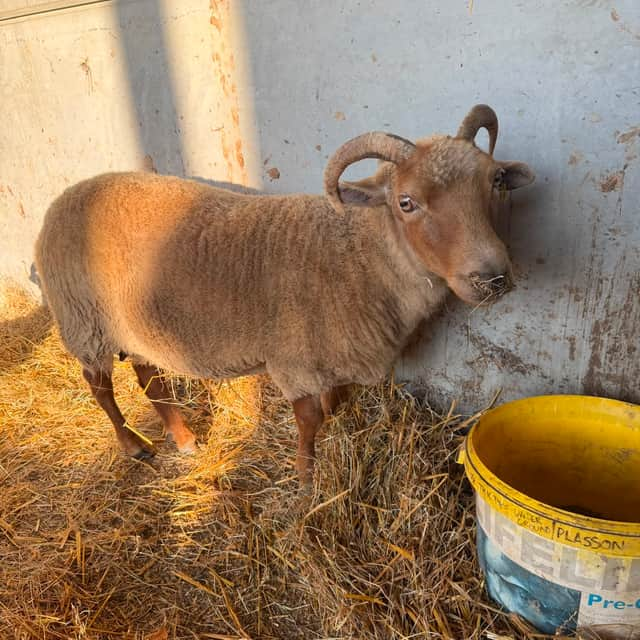
“The financial impact has also been significant, with costs for vaccination, veterinary care, medication including antibiotics, steroids and pain relief, fallen stock collection and the additional paperwork all adding up quickly.
“We are still waiting to understand the longer term impact on the Hereford herd and following veterinary advice, will scan the cows in September to assess any fertility issues.
“We hope sharing our experience encourages others to consider vaccination and highlights the challenges farmers are facing.”
Jim Ware and his family have a smallholding near Muddiford. His 13-year-old daughter wanted to do some small-scale farming and had a modest flock of sheep.
Speaking to the Gazette on August 4, he said: “We have lost stock every day for the last 10 days and have lost 10 of the 30-strong flock.
“We are still quite new to farming and working stuff out, then the first we know, a sheep was on its knees dribbling like a dog. The vet said we had to go to them urgently and said it was bluetongue.
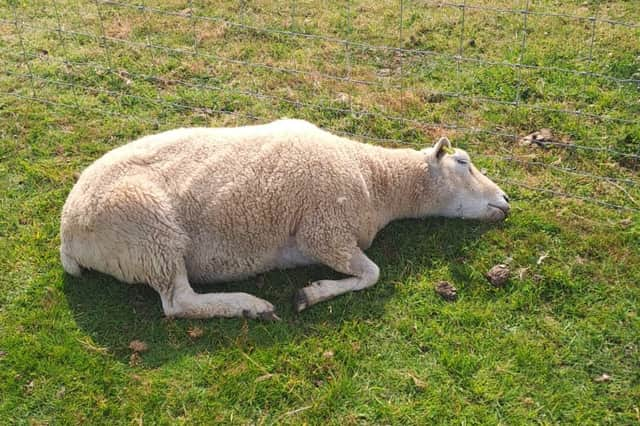
“As of last week a breeding ewe would be £250 at market and yesterday we just had to put two down and we have to pay them to take it away. The vet bill is £204 per ewe.
“None of our sheep have survived it so far, even those with treatment. The vaccine takes three weeks to activate.
“We have not seen it before like this and a lot of people have not vaccinated. More than anything, our hearts go out to the larger farmers, who may have up to 2,000 sheep and could lose a quarter of them.”
Devon County Council is working to share as much information about the outbreak as possible.
A council spokesperson said: “Bluetongue is a notifiable animal disease, which means livestock keepers must report suspected cases to DEFRA immediately. Failure to do so is an offence.
“Early reporting is important because confirmation requires testing. Keepers should report suspicion of the disease to APHA using the helpline.
“We would also encourage livestock keepers to speak to their local vet, who can provide advice on testing, referrals and vaccination options.”
In England, suspected cases should be reported to the DEFRA Rural Services Helpline on 03000 200 301.
If you, or a farmer you know needs to talk to a sympathetic person over the phone, please call The Farming Community Network on 0300 0111999.