

North Devon ban on mobile tattoo parlours and cosmetic piercing
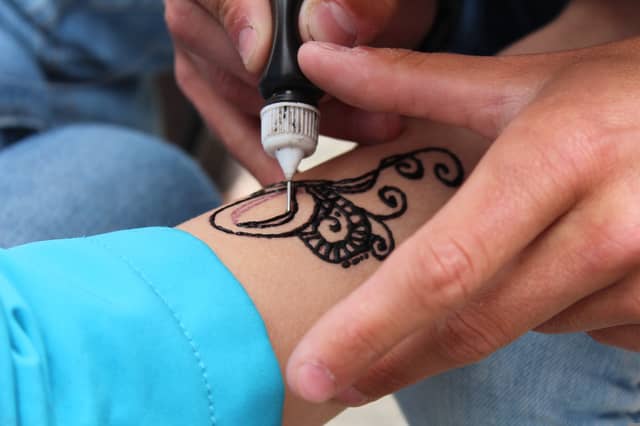

Businesses wishing to offer tattooing, piercing, acupuncture and other procedures must operate from permanent premises, North Devon Council has decided
Skin piercing businesses wishing to set up in North Devon will not be allowed to operate from mobile units, a council has ruled.
North Devon Council has adopted a formal policy following a number of applications and enquiries from firms wanting to offer tattooing, cosmetic piercing, semi-permanent skin colouring, acupuncture and electrolysis from mobile premises rather than the fixed ones.
Independent legal advice to the council said legislation around this subject could be interpreted in different ways, which had led some other authorities to allow mobile premises although North Devon had historically taken a stricter approach.
North Devon Council’s licensing and community safety committee has now agreed a ‘robust’ policy of allowing only fixed premises capable of inspection and registration.
The decision reflects wider public health considerations. Skin piercing procedures are invasive treatments capable of transmitting blood-borne viruses and other infections where appropriate infection prevention and control measures are not maintained.
The ability of the council to inspect, monitor and enforce hygiene standards is enhanced where businesses operate from fixed premises designed for that purpose, said council documents.
Where treatments are undertaken away from registered premises, practitioners have reduced control over the treatment environment, including cleanliness, hand hygiene facilities, waste management arrangements and other infection prevention and control measures.
A report to the committee said: “Such circumstances may present additional challenges for both practitioners and regulators when seeking to maintain consistent standards of public health protection.”