

Motoring with Peter Vosper: The Budget – what can the motorist hope for?

As the government put their final tweaks to the March Budget, what should the motorist expect and will the burden ease or increase as we move towards 2030? Less than a year ago the government laid out it's strategy on the roll-out of public charging for
As the government put their final tweaks to the March Budget, what should the motorist expect and will the burden ease or increase as we move towards 2030?
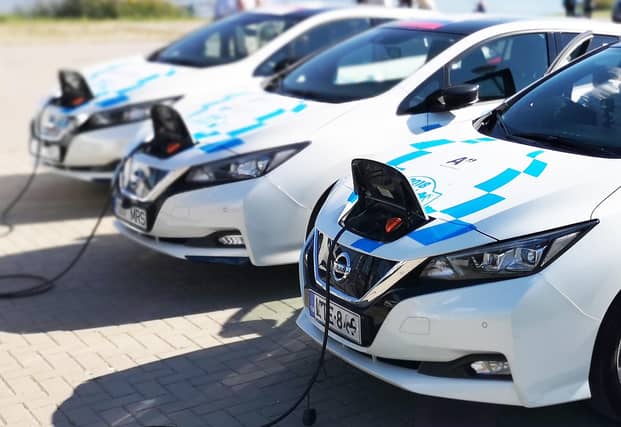
Less than a year ago the government laid out it's strategy on the roll-out of public charging for electric vehicles and stated: “EV charging should be cheaper and more convenient than refuelling at a petrol station.”
They also admitted the pace of the roll-out was too slow and too often public charging lets people down.
This has not improved and the manufacturers are unhappy that they have brought over 100 new electric vehicles to the market, as well as investing large amounts in new technology, so as a result will be looking for some firm commitment to address this and stimulate the market.
As the energy crisis has added to the problems by increasing the price of electricity, the price differential between home charging and public charging has grown disproportionately.
At home, it costs on average less than 20p per kilowatt hour compared with over 70p per kilowatt hour for a public rapid charger.

This is one of the reasons for a fall in demand for electric vehicles and there is support for a reduction on VAT for public charging from 20 per cent down to the five per cent levied on home electricity.
The other big question for the government as more and more electric cars arrive on the roads is how do they ensure their revenue from the motorist continues at similar levels.
They have already announced vehicle excise duty (VED) will be payable on electric vehicles from 2025 but they could announce a completely new method of charging for all vehicles.
A charge per mile, with relief for rural drivers, has been muted but this may be postponed until later.
The fall in the new vehicle markets during Covid has not reversed in 2022 but some of this is due to chip shortages. VAT revenue from private new car sales is a significant income to the Treasury, meaning the government needs to give confidence these consumers.
Manufacturers will produce more cars in 2023 and the Chinese are now upping their entry of new cars into Europe, attacking both ends of the electric vehicle market.
There has been a drop in the production of new combustion engine cars, in particular, and some manufacturers are reintroducing incentives to bring back customers.
The economic climate is having an effect on local councils who, in order to balance their budgets, are trying to find a compromise between increasing car parking charges and encouraging a return to the high street.
There is hope Chancellor Jeremy Hunt will keep the price of energy under control and help both the private and business motorists, by not increasing taxes on petrol which has fallen in price recently.
Finally, confidence that interest charges have both peaked and will reduce during the balance of the year will make buying a car or commercial vehicle cheaper.