

Motoring with Peter Vosper: Technology changes safety, economy, and all-round driving enjoyment
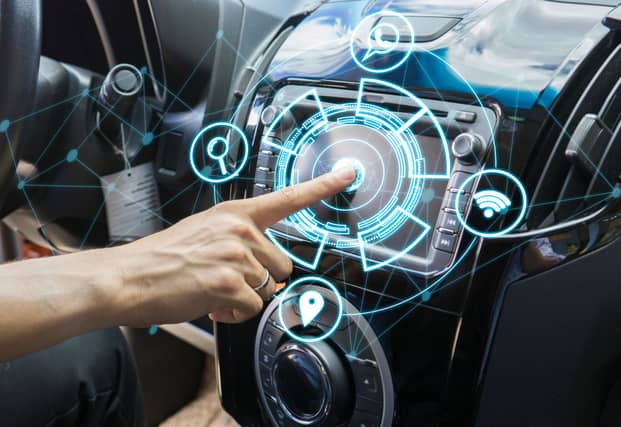

Over the years we have become used to technology changing the design and structure of cars to make them safer in accidents for drivers, passengers, and pedestrians. We have also seen aerodynamic shapes, crafted in wind tunnels, minimise resistance and pr
Over the years we have become used to technology changing the design and structure of cars to make them safer in accidents for drivers, passengers, and pedestrians.
We have also seen aerodynamic shapes, crafted in wind tunnels, minimise resistance and provide faster and more fuel-efficient cars combined with more comfortable seating and better visibility, particularly for the driver, to ease tiredness and stress on long journeys.
In recent years we have been introduced to more and more devices which help us need fewer and fewer skills and alert us to dangers on the road and from fellow drivers.
I can remember later models of the Cortina being introduced with a computer to manage the fuel system, but the amazing thing was this came about as a result of the development in spacecraft and the computer in the car was already able to provide even more.
This, of course, has taken away the necessary skills of how to get out of a skid, how to prevent your brakes locking up and general handling of the car we now take for granted.
Opposite lock and cadence braking, are phrases only to be used on the racetrack or rally circuit in older cars.
We now have further benefits which will automatically park our car for us, inform us we are drifting out of our line, and brake for us when the car deems it necessary.
Automatic wipers sweep the windscreen and headlights dip and move to main beam with no input from the driver. Even navigation systems guide us to our destination but unfortunately not always allowing for the suitability of the vehicle to the road!
Even the navigation systems are becoming so sophisticated they will reroute you when there is an accident or road closure and having had experience of these, they can work to benefit us all.
New cars are also fitted with a devise which will automatically reduce the vehicles speed by recognising the speed limit identification even if is a temporary one.
Of course, the majority of us choose not to turn this device on but it will become compulsory in time.
Now the governments of the major motoring countries are preparing for the autonomous car where the technology is available in the cars allowing the passengers to play little or no part in the driving.
This will be a safer process and will save money both for monitoring drivers obeying limits and driving in a safe and responsible manner, and for the hospitals and doctors who have to care for and repair the injuries caused by the many accidents that occur today.
In rural areas this change is many years away and even the government target is no one will drive after 2050 so this will not affect many us in the short term.
What will happen is many who are unable to drive may be able to have their own personal transport and those who are no longer fit to drive can continue with an autonomous car.