

More than 500 health trust workers rush to volunteer for redundancy
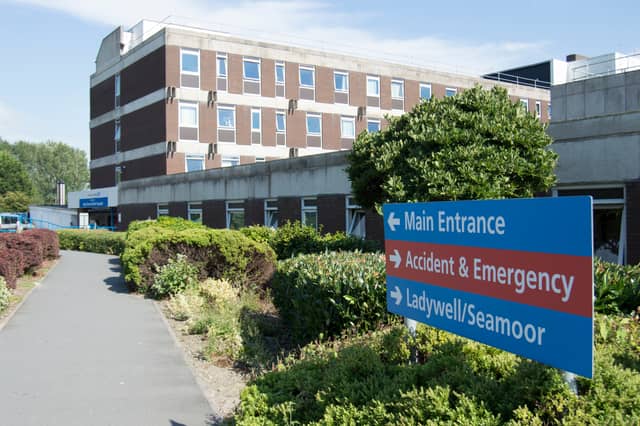

An appeal for voluntary redundancy candidates at The Royal Devon University Healthcare (RDUH) NHS Foundation Trust has seen hundreds of staff volunteer
More than 500 workers at the trust which runs North Devon and Exeter hospitals have put themselves forward for voluntary redundancy amid efforts by bosses to cut costs.
The Royal Devon University Healthcare (RDUH) NHS Foundation Trust needs to save around £80million this year to break even, which it is trying to achieve through savings and staff cuts.
Sam Higginson, the chief executive of the trust, told a committee the organisation had been targeting a staff reduction of just under two per cent – equivalent to about 300 to 400 staff from Exeter, East Devon and North Devon.
However, he told Devon County Council’s health and adult care scrutiny committee on Monday, June 22 that more than 500 staff had applied.
He said: “We’ve just closed the process for applications and now we are working through them to understand where we can support them and where we can’t because of the need to run clinical services.”
The RDUH was formed in 2022 by the merger of the Royal Devon and Exeter NHS Foundation Trust and Northern Devon Healthcare NHS Trust and is understood to employ around 15,000 people, according to its website, making it the largest employer in Devon.
It provides services for more than 615,000 people across more than 2,000 square miles of the county.
The efforts to save money by the trust are set amid a broader effort by Devon’s health service, which includes the Torbay and South Devon NHS Foundation Trust and the Integrated Care Board (ICB), to rein in spending become more efficient.
A report showed the Devon health service had a £64.3m deficit just in the 2025/26 financial year and that was after receiving nearly £27m in deficit support funding from the government.
That means its total deficit was £286m at the end of the last financial year.
Mr Higginson said for his trust, around 84 per cent of its targeted savings for this financial year had been identified and that he had been “challenged” to identify the remaining portion within the next few weeks.
He added: “The financial problems are a symptom of not providing services in the best way possible, not the cause.”
Mr Higginson said the “national direction of travel” was to move more services out of hospitals and into neighbourhoods and communities so that “more services can be delivered closer to home.”
Mr Higginson also stated that the trust was trying to harness technology to move some services from “analogue to digital”.
This included clinicians using AI to take patient notes, speeding up that process, through to creating ‘virtual wards’ where outpatients can be monitored by wearable technology at home.
There is also a push, he told the committee, to ensure patients can more readily be discharged from hospital, because he reckoned up to a fifth of hospital beds (15 to 20 per cent) in his trust were being occupied by those who were actually fit enough to be sent home or to community-based care.
Devon County Council and the NHS are working with an external consultancy called Newton, which is helping the organisations find ways of improving hospital discharges and tackling other issues in adult social care.