

Lundy seabirds thriving in numbers not seen in nearly a century
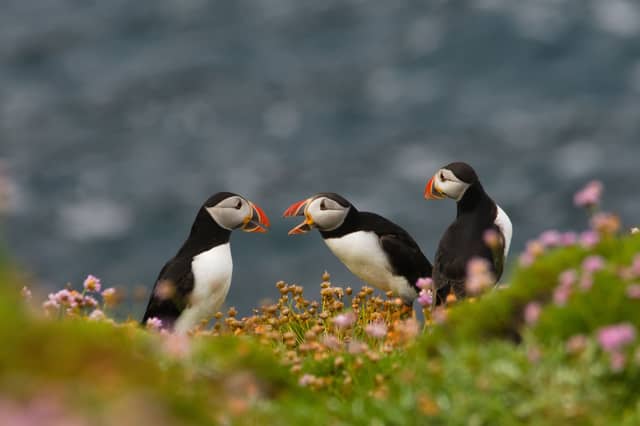

In the 20 years since the black rat was eradicated from Lundy, the island’s population of seabirds has grown to record levels not seen since the 1930s
The number of seabirds on Lundy have swelled to record levels in the two decades since the remote island was declared rat-free.
This year marks 20 years since a determined and effort was made to successfully eradicate rats from Lundy – in particular the black rat, once a carrier of bubonic plague, which had hunted some of the island’s seabirds almost to extinction.
Also known as ‘ship rats’, they had been inadvertently introduced to the island via vessels and historic shipwrecks.
Back then, a project was led by Natural England, RSPB, Landmark Trust and the National Trust to remove the rats, which preyed on birds and especially eggs and chicks, leaving species such as the iconic puffin for which Lundy is famous reduced to just 13 birds.
The 20th anniversary data now shows that free from the rat menace, the numbers of seabirds have rebounded at an amazing rate.
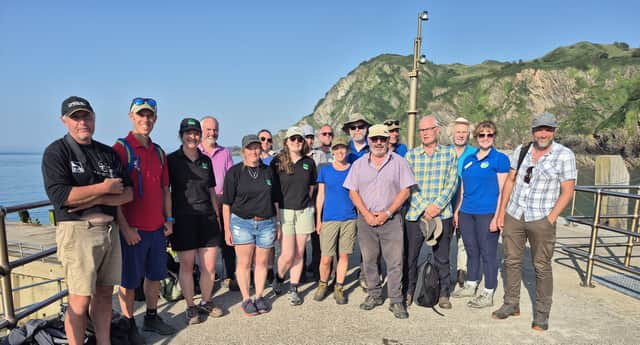
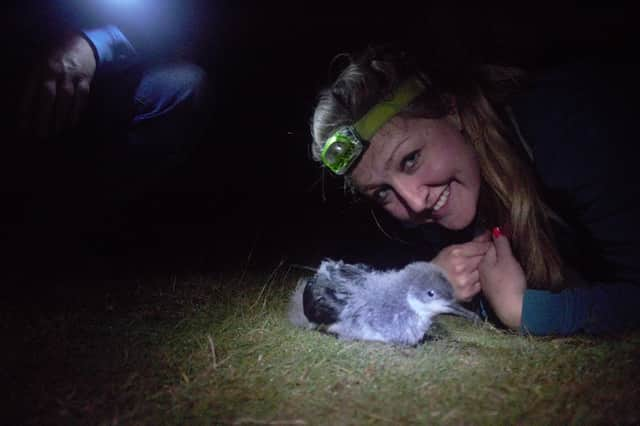
Numbers of Manx shearwaters have increased from fewer than 600 birds in 2001 to more than 25,000 individuals today (around 12,500 pairs), making Lundy home to 95 per cent of England’s breeding Manx shearwaters.
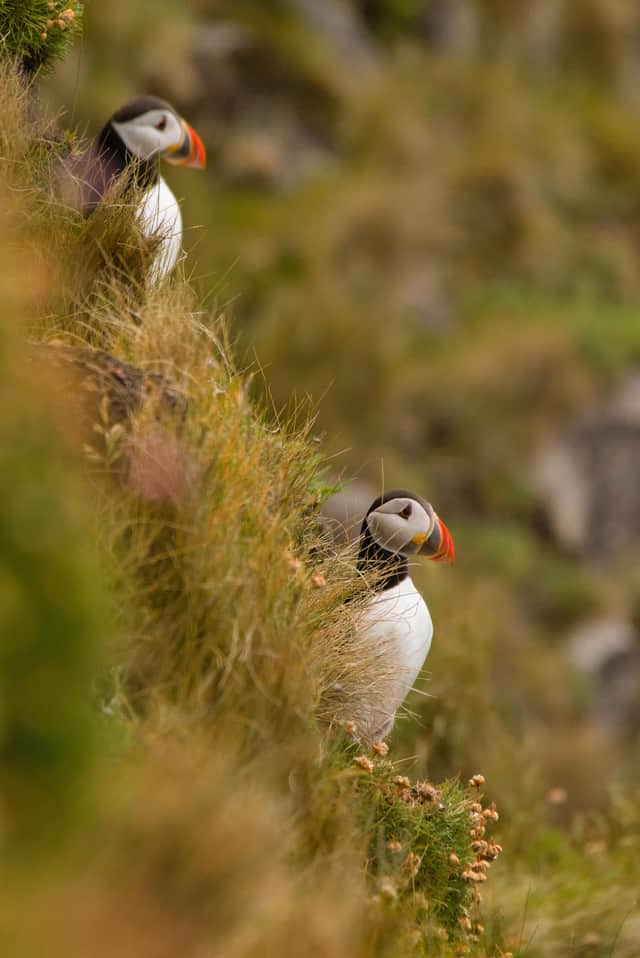
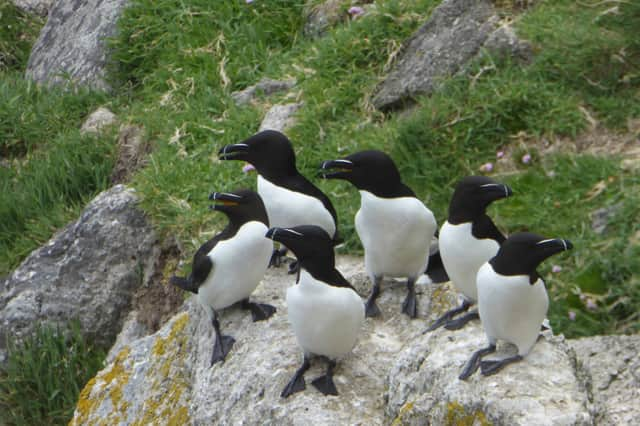
Puffins have also made a dramatic comeback. From just 13 birds in 2000, prior to the eradication programme, the population has now reached 1,335 individuals, restoring a species that was on the brink of extinction on the island.
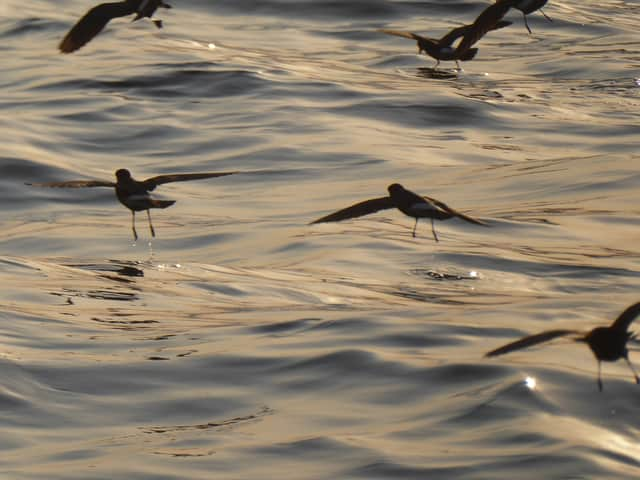
What is more, species feared lost to the rats altogether have become established again. The first breeding storm petrels were confirmed on Lundy in 2014, having been seemingly absent from the island since records began in 1930s. Today more than 150 pairs nest on the island, underlining Lundy’s international importance for seabirds.
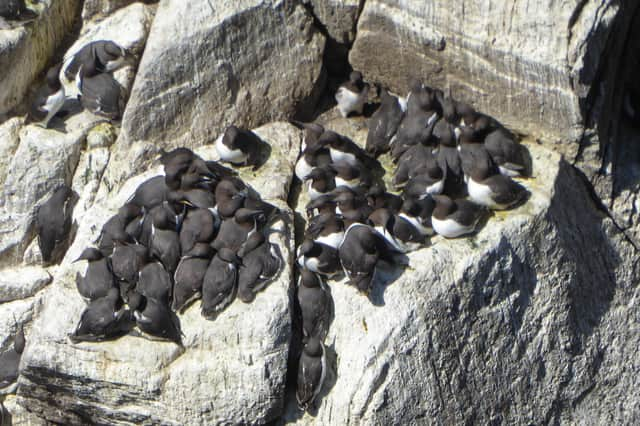
The RSPB has said more than 40,000 seabirds now call Lundy home – the highest number recorded since the 1930s and contrasting with just 7,351 in the year 2000. It said this is particularly significant as seabirds face wider pressures across the UK and globally.
Helen Booker, RSPB senior conservation officer, said: “Twenty years on from rat eradication, the results on Lundy speak for themselves.
“This project shows what’s possible when organisations come together with a shared vision, sound science and long‑term commitment.
“If restoring over 40,000 seabirds on a single island is achievable, just imagine what could be done for nature across the UK if we scaled up this ambition.”
Derek Green, Lundy’s managing director said it was “one of the UK's great conservation success stories.”
He added: “It demonstrates how targeted conservation can restore entire ecosystems, and how close partnership working and a shared vision can achieve extraordinary results. The Landmark Trust is proud to have supported the project and to continue to manage Lundy’s outstanding wildlife with our partners.
“With thriving wildlife now attracting more visitors than ever before, this growing interest in nature tourism is creating lasting benefits for the wider region, supporting local businesses, inspiring new generations of conservationists and ensuring that more people can experience and contribute to Lundy's ongoing conservation journey.”
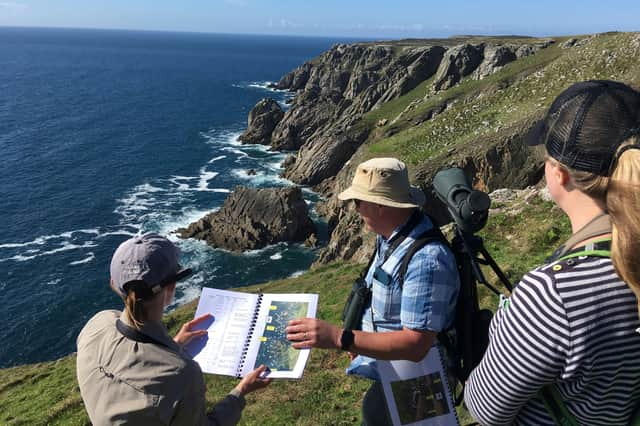
Andrea Ayres, Natural England deputy director for Devon, Cornwall and Isles of Scilly also welcome the news, saying: “Natural England played a key role in supporting and advising this pioneering project, helping to ensure it was grounded in the best available science whilst delivering remarkable results for nature.
“We are delighted to see that through long-term monitoring, evidence-led conservation and partnership working, we have helped seabird populations recover and thrive on the island once again. The island continues to inspire our work today, as we strive to restore nature at scale and secure a thriving future for England’s wildlife.”
Ben McCarthy, head of nature conservation at the National Trust, concluded: “The Island’s ongoing commitment to biosecurity has helped keep the island rat-free and the results for seabirds have been truly astonishing. It is also helping more people reconnect with nature, and inspiring visitors to experience this recovery first-hand.
“The project is a powerful reminder of how quickly nature can recover given the right conditions and the space to thrive.”
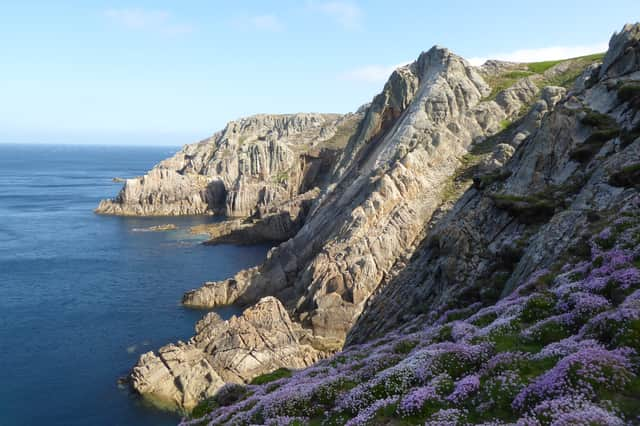
The RSPB is now calling for new protection for Lundy’s seabirds.
Helen Booker said: “While Lundy itself has some protection, the island and the waters that its seabirds use remain highly vulnerable, as they are not considered when significant potential impacts are assessed.
“These remarkable results reinforce the need for Lundy to be designated as a Special Protection Area to safeguard seabirds at sea as well as on land.”