

Look out for signs of Bird Flu - David Worden
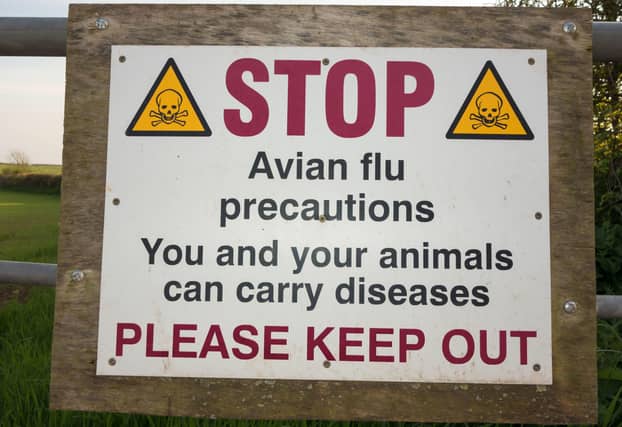

Some of you will know that I enjoy using Facebook and many of my posts highlight and share the beauty of our countryside, flowers and wild life. I believe that creation is wonderful and some of the photographs taken both locally, nationally and internatio
Some of you will know that I enjoy using Facebook and many of my posts highlight and share the beauty of our countryside, flowers and wild life. I believe that creation is wonderful and some of the photographs taken both locally, nationally and internationally are beautiful and amazing.
The outstanding colours of roses, dahlias and the vast variety of flowers in our gardens I find uplifting and glorious and is one of the reasons I support the RHS Britain in Bloom competition.
We are so fortunate in North Devon in having such exceptional scenery, landscape and parks which attract visitors from all over the country.
From the slopes of Exmoor to some of the best surfing beaches in the UK, we live in an outstanding area, the envy of many.
We are blessed with having the Northern Devon biosphere, the Area of Outstanding Natural Beauty (AONB) and the rolling countryside and river valleys.
The changing seasons brings new colours and variety for which I believe we should always be grateful.
Although I am not a bird expert I love to see the numerous varieties that feed on my bird table each day. Even the more common birds I find fascinating and some are extremely colourful even though we may not have some of the more exotic varieties found in some parts of the world.
I know many love to visit to Lundy Island which has a rich bird life and is a popular site for birdwatching. Large numbers of kittiwake and razorbills nest on the cliffs and you are sure to see guillemot and many other varieties but my favourite is the puffin which I am delighted to say has been increasing in numbers again in recent years.
It is, however, very disappointing that we are hearing of more and more cases of avian influenza or bird flu in Devon and Cornwall.
Bird flu viruses spread among wild aquatic birds worldwide and can infect domestic poultry and other bird and animal species.
Bird flu viruses do not normally infect humans but, sporadic human infections with bird flu viruses have occurred. More than a dozen types of bird flu have been identified and some types if it strikes humans can be deadly.
It has recently been reported that several birds have been found having died from the disease in the south west and a prevention zone was put in place for Devon, Cornwall, the Isles of Scilly and parts of Somerset on August 31st.
This is the result of an outbreak which has impacted more than 1,500 wild birds in more than 360 locations. Reports say that 61 different species have tested positive for the highly-infectious strain, with dead gannets among the wild birds being washed up on the UK's beaches. But it isn’t just affecting wild birds, for example, there have been cases at Paignton Zoo.
The government website advises you to not touch or pick up any dead or visibly sick birds that you find. You should call the Defra helpline (03459 33 55 77) if you find:
- one or more dead bird of prey or owl
- three or more dead gulls or wild waterfowl (swans, geese and ducks)
- five or more dead birds of any species
The rules which have come into force means that all bird keepers in the region must take action now to both prevent disease getting into flocks and it spreading any further.
Owners, whether they keep just a few birds or thousands, are now legally required to introduce higher biosecurity standards on their farm or small holding in order to protect their birds from this highly-infectious disease.
This includes disinfecting clothing, footwear, equipment and vehicles before and after contact with poultry and captive birds and taking measures to minimise direct and indirect contact between poultry and captive birds and wild birds, including making sure all feed and water is not accessible to wild birds.
I really do hope that these preventive measures will be effective and stop the death of thousands of wild birds and prevent the culling of domestic poultry. I am reassured that avian influenzas pose a very low food safety risk for consumers.