

'Closures will occur again,' warns Network Rail as sonar trial underway on North Devon line
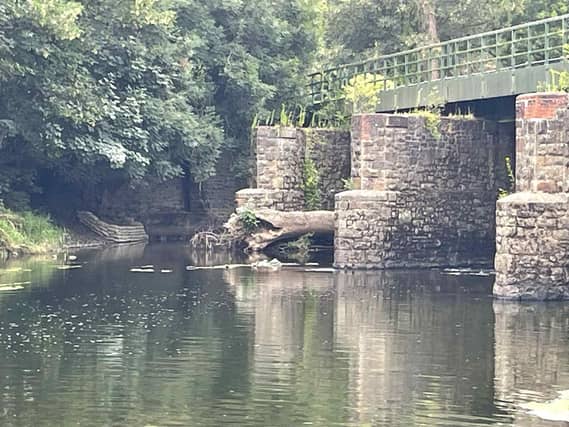

Following the chaos of Storm Chandra, rail operators are trialling global-first sonar technology to identify ‘invisible’ structural threats, though officials concede that the North Devon line remains vulnerable to ongoing, weather-related closures.
As extreme weather becomes an "annual occurrence," engineers are engaged in a high-tech battle to prevent the collapse of the North Devon line's foundations.
The crisis facing the region is not just above the tracks, but beneath them.
During the Northern Devon Railway Development Alliance convention in Eggesford on Friday, March 6, Network Rail representatives outlined the 'invisible' threat of 'scour.'
They described how high-velocity river water during storms erodes the riverbed, compromising the structural integrity of Victorian bridge foundations
Currently, six key structures on the North Devon line are at risk.
In response, a global-first trial is underway. Working with Cornwall-based firm Ultrabeam, engineers are deploying sonar technology to scan bridge integrity when water levels are too dangerous for human divers.
"We are putting closure marks at scientific positions," a spokesperson for the project explained. "If the water increases to a certain point, we know there is a physical issue."
Yet, while the sonar offers a vital diagnostic tool, it is not a structural fix. Network Rail admitted that closures "will occur again" this year.
The line’s physical vulnerability is matched by significant operational challenges.
GWR representatives offered a rare "behind-the-scenes" look at the "Black Stage" disruption, the highest level of rail emergency. The company admitted that it does not maintain a "bank of buses," a deficit that proved catastrophic during the recent Storm Chandra.
With 24 buses required to maintain an hourly service, GWR struggled to source vehicles from as far as Hampshire and Wales. Between driver shortages and mandatory 24-hour rest periods under EU driving laws, the replacement service frequently collapsed.
"We learnt a lot of lessons," the spokesperson said, noting plans to deploy dedicated "bus coordinators" to avoid future chaos.
For the full report, pick up the North Devon Gazette this Wednesday, March 11, available in all shops across North Devon.