

Interest Rates: What does this mean for Northern Devon? - Tim Jones

The media has been full of dire predictions about the growth of the economy and of how we get inflation under control. Last week the Bank of England made the situation slightly worse when they hiked the bank interest base rate from 3.5% to 4%. It is perh
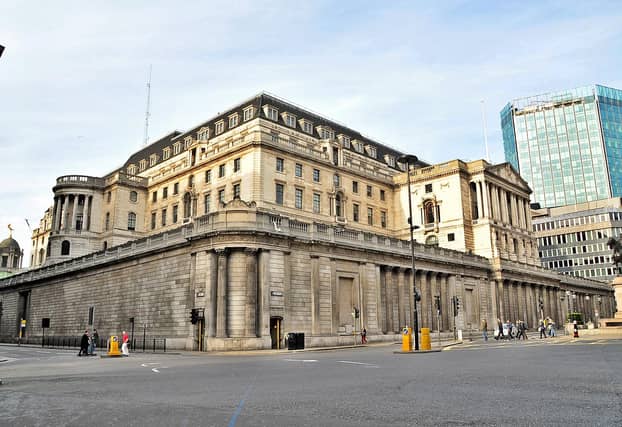
The media has been full of dire predictions about the growth of the economy and of how we get inflation under control. Last week the Bank of England made the situation slightly worse when they hiked the bank interest base rate from 3.5% to 4%.
It is perhaps worth looking back over the last 10 or 20 years. We have become used to very low interest rates. They have helped anyone who has borrowed money, particularly those in the housing market or who are buying goods and services on any credit arrangements. For many of our young people and newer businesses, these levels of interest rates are uncharted territory and punishingly high. A look back however perhaps would give us a more balanced view. 4% interest rate was established in late 2001 and remained at around this level until May 2004. The drop in rates to 4% in 2001 came shortly after the 911 attacks in America, and at a time when the global economy was still reeling from the burst of the dot.com bubble. They remained low for the duration of the most intense phase of the Iraq war, before rising again. The pre-crisis average was higher than it is today at 5%.
We became used to describing this as a period of low interest rates. It proved to be successful in achieving the prolonged recovery, which started in Spring 1992 and ran until the banking crash in 2008.
There was, however, one very important difference, which was that during this period inflation between 2001 and 2004 averaged 1-1.5%. Today we are in very different territory with the inflation rate hovering at around 10% and nobody being quite clear on when this might reduce.
The inevitable effect of these increased bank charges is that borrowing money becomes more expensive. This is particularly bad news for home owners with variable rate mortgages but perhaps slightly better news for savers as saving rates have marginally increased.
The real impact however, is on those with mortgages. Many took out loans with a sublime belief that interest rates would remain at virtually zero. The bank base rate, for example, in December 2001 stood at just 0.1%.
What the Bank of England are trying to achieve is to encourage households to spend less and therefore inflation will drop. The problem, however, is that inflation is not only caused by excessive household expenditure, it is being pushed higher by price increases which we as a country have very little control over, such as, Energy, Food and Fuel prices.
For someone with a mortgage, for example a 2 year fixed rate mortgage, then the rate today will be around 5.45%. In fact, this is a slight reduction from last October when the rates peaked at 6.65%. Also, there are around 2 million home owners on variable deals today.
If you are about to take out a new credit card then think carefully. The deals on offer today will be significantly worse compared even to 12 months ago. The average annual percentage credit card rate is now 30.4%. Some interest rates on most personal loans and car financing are normally fixed but in general much higher rates are now being advertised.
So is there an upside to all of this or do we simply have to wait and hope that inflation will finally be tackled and interest rates drop back to more affordable levels?
Probably the most immediate benefit which is being experienced, is the effect that this will have on the price for new homes. House prices fell by more than was expected between December and January. There was a decline for the fifth consecutive month, marking the longest decline since 2008. The average price (across the country) is now £258,297. In August last year it was £274,000. It is highly likely that this decline in property values will continue. Another problem however is that the big house builders are therefore reducing their output. The government expect that we should be building 300,000 houses per year, the latest prediction is that this could reduce to around 110,000 houses a year. This leaves first time buyers no better off and puts even more pressure on those trying to find rental properties.
We have watched the painful increase in wage demands. Inevitably, there is pressure here as costs increase, those who have not seen increases in their take-home pay feel aggrieved, some however have the ability to express their anger by withdrawing their services – trains, nurses, teachers, civil servants. This sadly has a disproportionate effect on those who are already poorly paid or vulnerable. Also, on those who are victims who depend upon state support, such as, school children or those who fall ill. It is of course a horrible truth that wage increases at the levels demanded will worsen the position regarding overall inflation.
So all this sounds very gloomy. There is not a lot that we in Northern Devon can do. Having been through situations like this in the past – Foot and Mouth being a classic example – we battened down the hatches and just got on with it. One of the enduring qualities we have is that we are largely small and micro businesses. We can therefore adjust rapidly to new opportunities and are far more nimble than many of the big corporates. An important element for surviving this difficult period and leading the recovery, is to work much closer with local businesses as part of each of our supply chains.
Hopefully by the Summer the sun will be shining, the tourists will be with us and many of these dark moments will be behind us.