

Ian Roome: Government’s defence crisis – my thoughts as a veteran


Lib Dem MP Ian Roome shares his views as a veteran, and says he and his party will continue to press for answers.
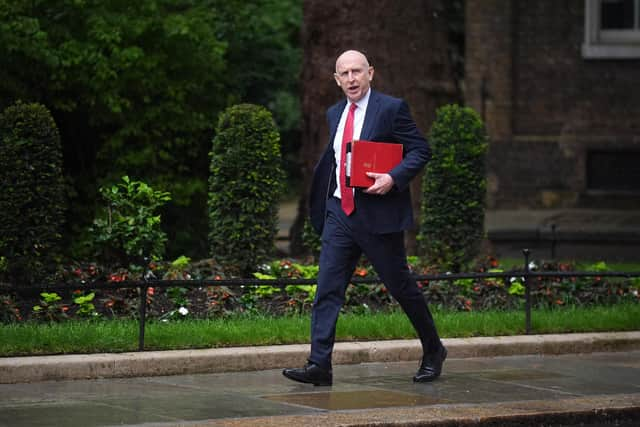
It was shocking news last week that both the Defence Secretary John Healey and the Armed Forces Minister Al Carns, two of the most respected members of the cabinet, resigned from government. This should be a giant wake-up call for the Prime Minister.
Both quit because of the failure of the government to properly invest in our British Armed Forces. At the heart of this all, is the long-overdue Defence Investment Plan (DIP), which I and the other MPs on the Defence Select Committee have chased time and again in Parliament.
When Healey finally saw the financial settlement on Monday, he said it “falls well short of what is required” and that too much of the cost has been pushed into the future.
Despite the NATO commitment to spend 3.5 per cent of GDP on defence by 2035, the plan would take us to just 2.68 per cent by 2030, even though we’re already on track for 2.6 per cent next year with current funding levels.
So, in other words, 5 years of delay. Similarly, Al Carns said the plan was not built for the threat we face and “neither transformative enough nor sufficiently funded.”
As a Veteran himself, he could no longer, in good conscience, defend the indefensible.
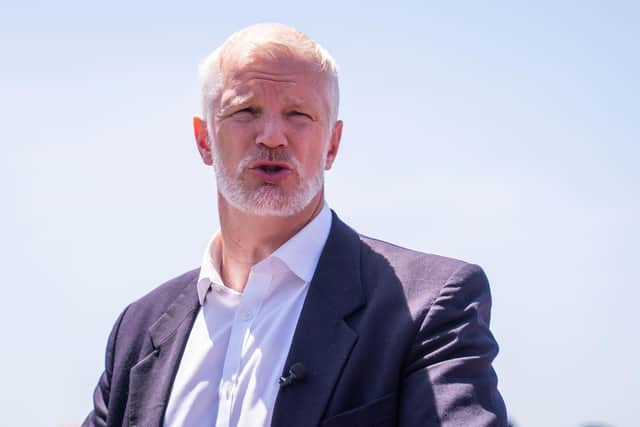
As a member of the Defence Select Committee, I have scrutinised this Government’s approach to defence investment closely. The DIP was supposed to present a long-term plan to make our country safer. But a plan is only as good as the money behind it. The argument has now become a test of whether the United Kingdom can bankroll the capabilities promised in its Defence Investment Plan.
On current trajectory, the answer is no.
A settlement that backloads spending, reaches only 2.68 per cent of GDP by 2030, and leaves a £28bn black hole is not a Defence Investment Plan. It is a Defence Deferral Plan.
The former Secretary of State said himself that the plan’s trajectory is inconsistent with the Prime Minister’s own warnings that Russia might pose a threat to NATO by 2030. Let that sink in.
The world has changed. Russia’s war in Ukraine has entered its fourth year. China is watching the Taiwan Strait. Hybrid attacks on European infrastructure are escalating. And the problems abroad have implications for us here, even in North Devon, through rising heating costs, food and fuel prices. To have any leverage over those decisions, we need a sufficient defence plan.
Liberal Democrats are calling for an immediate cash injection in our armed forces and for the issuance of Defence Bonds to raise £20 billion over two years for defence.
The appointment of a new Defence Secretary must not allow the Government to quietly bury the DIP’s inadequacies beneath a fresh face. On the Defence Select Committee, I will continue to press for answers on the timeline to 3 per cent, the funding gap, and whether the new Secretary of State has been given the resources his predecessors were denied.
John Healey and Al Carns did the honourable thing. Now it falls to the rest of us on all sides of this House to ensure their warnings are not wasted.