

How the district council keeps our community safe - Ken Miles

Much of a District Council’s work is focussed on keeping the public safe. We are not an emergency, or blue light service, but virtually every member of the public benefits from our work in this area. Many people will not realise that the council regulate
Much of a District Council’s work is focussed on keeping the public safe. We are not an emergency, or blue light service, but virtually every member of the public benefits from our work in this area.
Many people will not realise that the council regulates and inspects food retail premises, local food producers and importers and exporters of food products. If you eat out at cafes, restaurants or pubs or buy food from a butchers, a supermarket or farmers market etc, you will be benefitting from this regime and the expertise and diligence of council officers.
The council’s role is twofold; it is to ensure that food is of the required standards and also that the required food hygiene processes are being followed by staff, including the required training and record keeping.
Did you know that nationally in 2020, there were around 82,000 complaints about poor food standards or hygiene at food establishments? There have also been well publicised cases of individuals falling ill or even losing their lives through food poisoning. Many will also recall the horse meat scandal in 2013 when horse meat was incorrectly sold as beef. That scandal was exposed through testing carried out under the same framework as councils operate and so the importance of this role is clear.
We have built up great relationships with most of the producers, exporters and retailers operating in this area and everyone works to a common objective of ensuring standards are the best they can be.
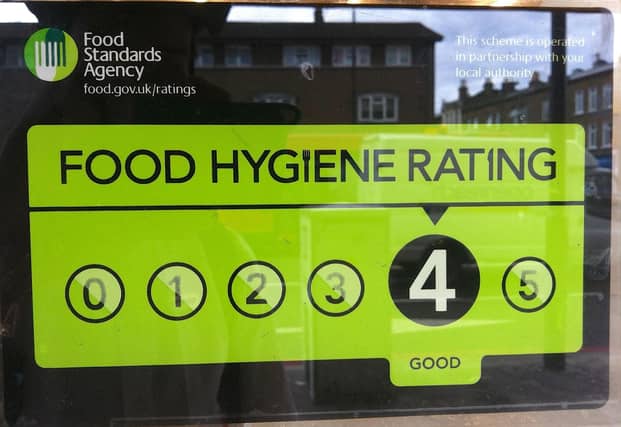
This is shown through the grading system operated by the council where each establishment is given a food hygiene rating ranging from 0, at the lowest, to 5 for those having the highest standards. The ratings for each business can be viewed online and it is pleasing to see that by far the vast majority of establishments in North Devon have a rating of 5.
The council also has a regulatory role in relation to health and safety. Nationally, responsibility for regulating health and safety at workplaces is split between the Health and Safety Executive and local councils with councils, such as North Devon Council, having responsibility for facilities such as shops, offices, warehouses, hotels, care homes and leisure.
The duties on these businesses is to protect their employees from risks to their health and safety but it also extends to customers or other members of the public visiting the premises, so people like you and I when we visit a hairdressers or a swimming pool or when we go on holiday to a holiday park. The council provides guidance on managing risks, carries out inspections, investigates complaints about work practices or conditions and also investigates accidents when they unfortunately occur.
In relation to both of these functions, the council has a range of sanctions that can be imposed through to closure of the premises or prosecution.
Another major area where public safety is a focus is in the licensing of venues for the supply of alcohol or entertainment such as pubs and clubs. Operators wishing to obtain a licence must satisfy the council as to how they will promote the four licensing objectives, which include public safety and the protection of children from harm.
If a license is issued, the council has the ability to carry out inspections to ensure that the premises are operating appropriately and in accordance with the licence. Where issues do occur, the council has a range of actions that it can take but where the council has serious concerns about public safety it can seek a closure order through the courts, something that the council have done locally in the recent past.
As well as the above, the council also regulate a wide range of other activities from keeping wild animals to tattoo parlours and pleasure boats and these are all regulated to ensure, so far as possible, the safety of the public.
This is an unsung area of our work, but vital for everyone’s protection.