

Help children ‘Speak Out Stay Safe’ in the South West
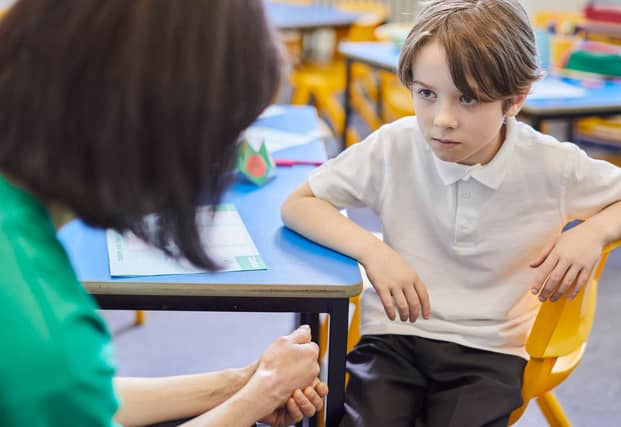

The NSPCC is calling for volunteers to join its Schools Service and help children understand how to spot and speak out about abuse. It’s estimated that in the average UK primary school class, at least two children have suffered abuse or neglect. The NSP
The NSPCC is calling for volunteers to join its Schools Service and help children understand how to spot and speak out about abuse.
It’s estimated that in the average UK primary school class, at least two children have suffered abuse or neglect.
The NSPCC in the South West is calling for volunteers to join its Schools Service and visit primary schools to help children understand how to spot and speak out about the signs of abuse.
Last year (2021/22), across the UK, NSPCC’s Childline service held more than 14,000 counselling sessions about emotional, physical, sexual abuse and neglect, but counsellors can only provide help and support if the children have knowledge and confidence to speak out in the first place.
That’s why the Schools Service Speak Out Stay Safe (SOSS) campaign is so important and why volunteers are vital to help ensure that every child in the region knows how to Speak Out and Stay Safe.
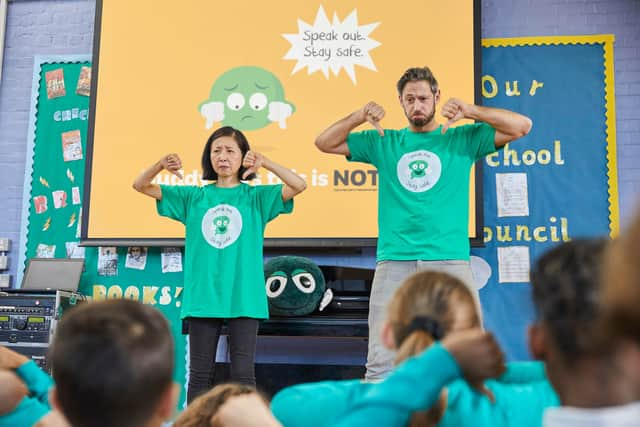
The workshops cover these difficult subjects without using any scary words or adult language and help children identify a trusted adult they can talk to if they are ever worried about themselves or a friend.
They also learn about Childline and how it can support them.
Last year, more than 430 primary schools took part in the Speak Out Stay Safe programme across the South West
“The Speak Out Stay Safe programme began in 2011 and we currently deliver the service to 90% of primary schools in South West and Channel Islands,” said Michelle Green, NSPCC South West and Channel Islands Schools Service Manager.
“You don’t have to have had previous experience working with children to become a volunteer, but we do ask that you are over 16, have good communication skills and that you are passionate about children’s rights and letting children know about their rights.
“We are looking for volunteers from throughout the South West.
“Full training is provided and all we ask is that you commit to at least two workshops a month in schools that are convenient to you.”
If you would like to find out more information and/or attend an information session go to: www.nspcc.org.uk and search ‘volunteer in schools’ or email: [email protected]
NSPCC Adult Helpline: 0808 800 5000 or visit: www.nspcc.org.uk
Childline: 0800 1111 of visit: www.childline.org.uk