

Have your say on the 10-year vision for North Devon’s Biosphere
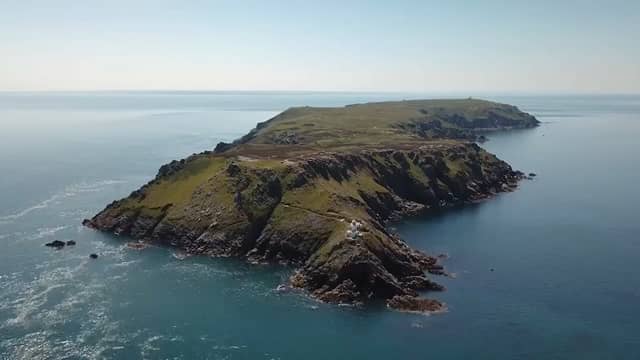

Public are being asked for their views on the future and goals for the North Devon UNESCO Biosphere from 2025 to 2035
A public consultation has been launched on an ‘ambitious’ 10-year vision to shape the future of the North Devon UNESCO Biosphere.
The new strategy for 2025 to 2035 is now live, with residents, organisations and visitors invited to have their say on proposals for the Biosphere to thrive and grow while preserving nature and supporting the local economy.
The strategy, titled ‘Living up to world class by nature’, sets out 19 ambitious targets across four themes: Helping Nature Thrive, Living in Balance with Nature, Unlocking the Local Value of Nature and Learning from Nature. It aims to make northern Devon a global leader in sustainable development, nature recovery, and climate resilience.
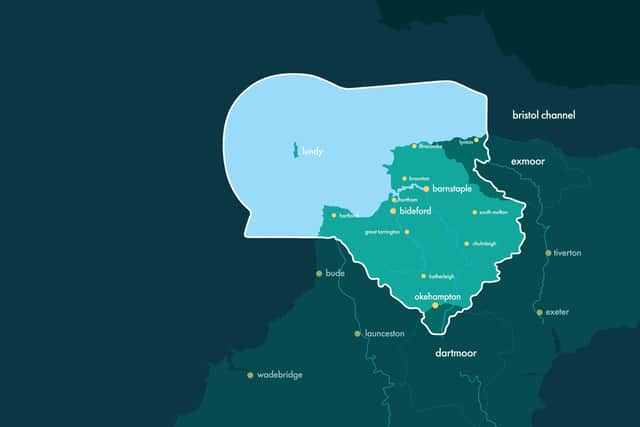
Above: The North Devon Biosphere covers more than 5,000 square kilometres of land and sea, including Braunton Burrows, Exmoor, Dartmoor, the Taw-Torridge estuary and Lundy Island.
Examples of the aspirations include setting up a Biosphere Science Centre in the 10-year window and attracting up to 50,000 visitors per year.
Other goals include reducing net carbon footprint to 40% of the 2010 levels, attracting up to 10,000 visitors per year for nature related activities and driving the number of visitors who come to the area because of its natural world up to 90%.
The strategy also hopes to promote more marine area recovery and see 10 previously threatened locally important species thriving with sustainable populations.
Andy Bell, CEO of the North Devon Biosphere Foundation, said the strategy was a ‘rallying call for everyone who cares about the future of our environment and communities’.
He added: “We’ve set ambitious goals, but they’re grounded in local knowledge, science and a deep commitment to collaboration.
“We want to hear from as many voices as possible to make sure this strategy reflects the hopes and needs of our region.”
Mel Austen, chair of the North Devon Biosphere Partnership and Professor of Ocean and Society at the University of Plymouth, added: “The Biosphere is not just a designation - it’s a living, working interaction of landscape, coast and sea.
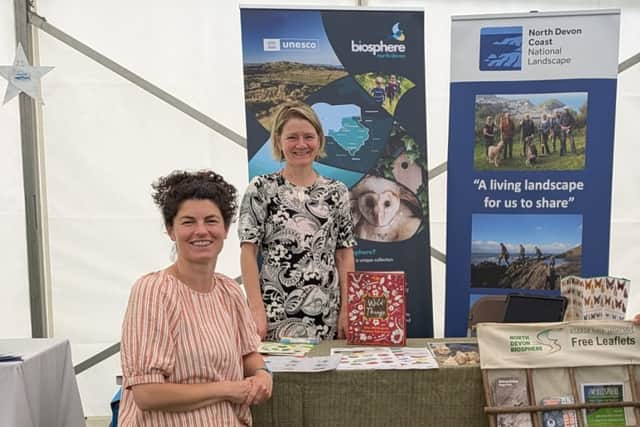
Above: Biosphere community animators Martha Boalch and Katy Lee at the North Devon Homes show this summer.
The North Devon Biosphere covers over 5,000 square kilometres of land and sea, including Braunton Burrows, Exmoor, Dartmoor, the Taw-Torridge estuary, and Lundy Island. It is recognised by UNESCO for its unique blend of biodiversity, community engagement, and sustainable development.
To read the strategy and complete the consultation questionnaire, visit: https://www.northdevonbiosphere.org.uk/biosphere-strategy.html