

Are you prepared for extreme weather or a major emergency - advice for residents from North Devon’s councils
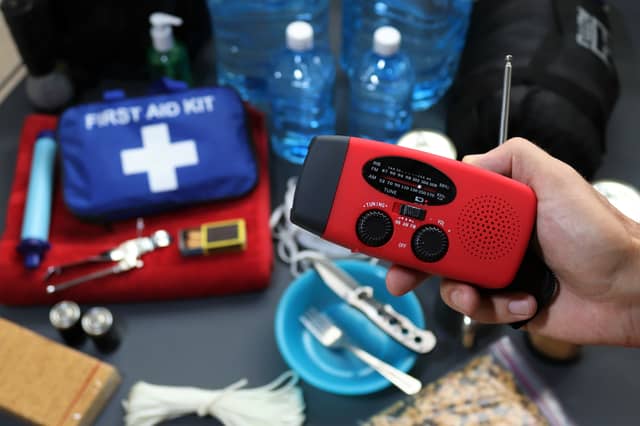

With ‘prepping’ hitting the national headlines, North Devon and Torridge district councils have provided advice for residents in the event of extreme weather or lengthy power cuts
National headlines recently claimed the government is urging people to stockpile food and water in the event of extreme weather or war – so should you be prepared here in Devon?
In fact, the viral post which sparked the minor panic has been debunked by independent website PreparedBritain, which says government advice has not changed, although it is due to unveil a strategy about preparing for national emergencies later this year.
But do you know what to do and are you ready in the event of a crisis? The North Devon Gazette has spoken to both Torridge and North Devon district councils to see what the advice is for residents.
Despite fears of cyber attacks, civil unrest or even war, here in Devon the biggest disruption is likely to be from extreme weather events such as floods, or even heavy snowfall.
In recent years entire communities in North Devon have lost power or been shut off for several days due to storm damage, flooding and drifting snow.

Both councils have said local households should be prepared for such events and in line with government advice suggest ensuring they have enough perishable food, bottled water and essential items such as torches and spare batteries to last several days.
Torridge District Council has a web page dedicated to helping residents prepare for emergencies, including useful checklists covering food, essential supplies and household emergency planning.
Councillor Philip Hackett, lead member for public health and community safety, said: “The key message is to be prepared, not alarmed. Rather than buying large quantities of items in one go, people can gradually build up a small reserve of everyday essentials over time by picking up an extra item or two during their regular shop.
“This sensible approach helps households and communities become more resilient while avoiding unnecessary pressure on local supplies.
“We would also encourage residents to contact their local town or parish council, or organisations such as Devon Communities Together, for advice on the support and resources available within their communities.”
North Devon Council said people could take simple, practical steps now to prepare in the event of an emergency or bad weather. It advised them to visit the Government’s Prepare website and Devon Emergency Planning Partnerships website for advice on what to do before, during and after an emergency.
Taking sensible steps in advance can make a real difference
It said people can sign up now for flood alerts and weather warnings, checking whether they are eligible for their utility provider’s Priority Services Register for elderly or vulnerable people and preparing a small emergency grab bag with essential items such as bottled water, non-perishable food, a torch, spare batteries and any essential medication.
Councillor David Clayton, council leader, said: “While we can’t always predict when an emergency or period of severe weather might arise, taking sensible steps in advance can make a real difference.
“North Devon has a strong community spirit and I encourage people across the district to take steps to prepare, look out for one another and support their communities should an emergency arise.
“Building resilience is something we can all contribute to, and by taking a few simple steps now, we can help make sure our communities are better placed to respond when challenges arise.
“I’d encourage residents to sign up to our community news bulletin, where we share seasonal advice and information to help people prepare and to follow North Devon Council on Facebook for regular updates and emergency planning information.”
The council is also working with communities to help build resilience by promoting Community Emergency Hubs. These are spaces where residents can come together during an emergency to share information, support one another and help their communities cope until normal services are restored.
Communities interested in establishing their own hub can find information on setting up a Community Emergency Hub, developing a community emergency plan and accessing support on the North Devon Council website.
What you can do to prepare for an emergency – government advice
The government offers a range of advice on its Prepare campaign website, including home safety checks, speaking to neighbours and supporting those who are vulnerable and having an emergency plan in case of lengthy power outages.
Emergency supplies and advice
* Consider what supplies you and your household might need during an emergency lasting a few days, such as a power cut or water outage, or situations where you are advised to stay at home or to leave your home (evacuate) for safety reasons.
* It can be helpful to keep these items in one place in your home and ideally somewhere easy to find if the lights aren’t working – if you are escaping your house due to a fire you should not take anything with you at all. You could consider keeping items you might need to take with you if asked to leave your home quickly in a spare bag or ‘grab bag’.
* You should ensure you have enough of any medication needed to keep you going for several days. If you rely on any medical devices of equipment, you should make sure you have a paper copy of any instructions. If you have them, keep back-up batteries charged up.
* Pack a few essential items in your car to make sure you’re ready in case of getting stuck in wintry weather – this can include a torch, in-car phone charger, warm clothes and blankets, high-visibility clothing, jump leads, food and drink and a shovel for snow. It can also be helpful to keep a first aid kit in your car.
Home emergency kit
Government advice for items in a kit to keep at home includes:
* Battery or wind-up torch – torches are safer than candles.
*n Portable power bank for charging your mobile phone.
* Battery or wind-up radio to get updates during a power cut – a car radio can be used, however in severe weather it might be safer to stay inside.
* Spare batteries for torches and radio and a backup battery for any medical equipment you rely on.
* A first aid kit (or some first aid items) including items such as waterproof plasters, bandages, a thermometer, antiseptic, eyewash solution, sterile dressings and gloves, medical tape for dressings and tweezers.
* Hand sanitiser and wet wipes for hygiene purposes when the water is off.
* Bottled water – there is no standard figure for this as emergencies can vary in duration and people use different amounts. A minimum of 2.5 to 3 litres of drinking water per person per day is recommended by the World Health Organisation for survival. Ten litres per person per day will make you more comfortable by also providing for basic cooking and hygiene needs. Additional water might be needed to make up baby formula, for medical devices and for pets.
* Non-perishable food that doesn’t need cooking, such as ready-to-eat tinned meat, fruit or vegetables (and a tin opener). As with water, how much you need will vary based on your own circumstances. Don’t forget food for pets.
* Baby supplies such as nappies and baby formula – ready made or ‘ready-to-feed’ formula is best as you may not be able to boil water or sterilise bottles.
* Rather than buying all the items at once, you could just add to your emergency kit when you are able and build it up over time.
Useful links
You can visit the government’s Prepare website at https://prepare.campaign.gov.uk/get-prepared-for-emergencies
Information and advice on preparing for weather events or emergencies can be found on the Devon Emergency Planning Partnerships website at https://www.depp.org.uk
North Devon – for more information about being prepared in North Devon and community hubs or establishing one, visit https://www.northdevon.gov.uk/community-safety-and-emergencies/emergency-planning
Torridge – for emergency planning advice in Torridge, visit https://www.torridge.gov.uk/article/18668/Preparing-for-an-emergency
Devon Communities Together also offers advice on its site at https://www.devoncommunities.org.uk/household-emergency-planning as well as a downloadable emergency plan template for households to complete.