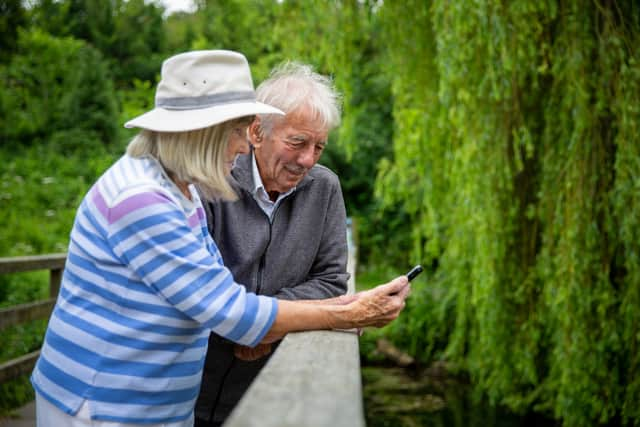
Devon’s butterflies need you! Join the Big Butterfly Count this summer
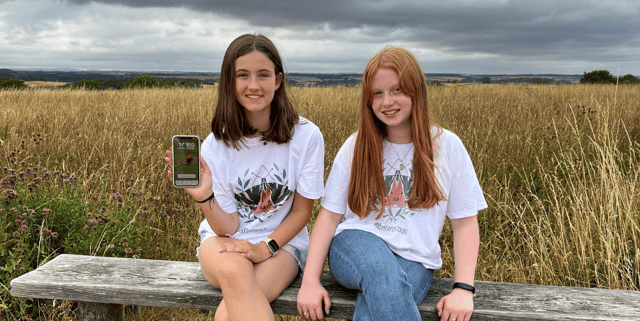
Everyone is invited to download the app or go online and take part in th Big Butterfly Count this summer to help preserve these vital creatures. Credit: Butterfly Conservationplaceholder image
Everyone is invited to download the app or go online and take part in th Big Butterfly Count this summer to help preserve these vital creatures. Credit: Butterfly Conservation

Butterfly Conservation has declared a Butterfly Emergency and needs as many people as possible to take part in the Big Butterfly Count – their decline is a strong indication all UK wildlife is under threat

Butterfly Conservation has launched a rescue mission for the UK’s butterflies and needs the people of Devon to join in with this summer’s Big Butterfly Count.

People of all ages across the county are being urged to take 15 minutes in an outdoor space and record the different butterflies they see.

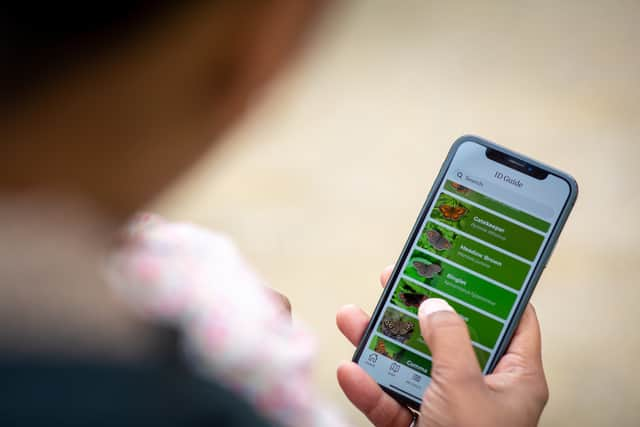
The count runs until August 10 and can be carried out via the free Big Butterfly Count app or visit www.bigbutterflycount.org
The Butterfly Conservation charity is encouraging everyone to take part in the count, from young people to grandparents, dog walkers, hikers and even office workers on their lunch break.placeholder image
The Butterfly Conservation charity is encouraging everyone to take part in the count, from young people to grandparents, dog walkers, hikers and even office workers on their lunch break.
placeholder image
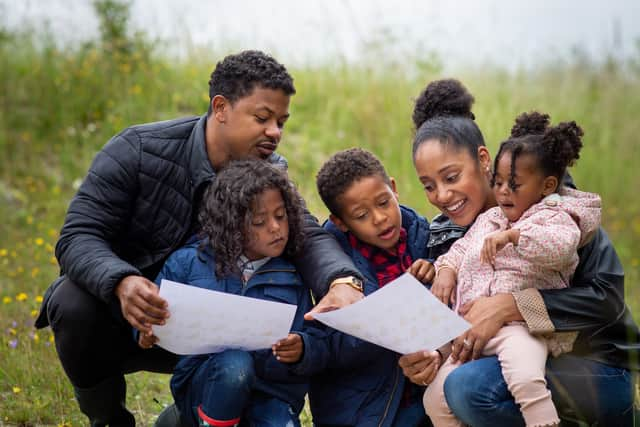
Above and below: All ages and walks of life are invited to take part in the count, from families to friends, colleagues and schoolchildren. Credit: Butterfly Conservationplaceholder image
Above and below: All ages and walks of life are invited to take part in the count, from families to friends, colleagues and schoolchildren. Credit: Butterfly Conservation

Butterflies are badly under threat from the effect of pesticides and loss of habitat as well as extreme weather – last year’s count in Devon saw people only 52,545 butterflies and day-flying moths during the three-week period.
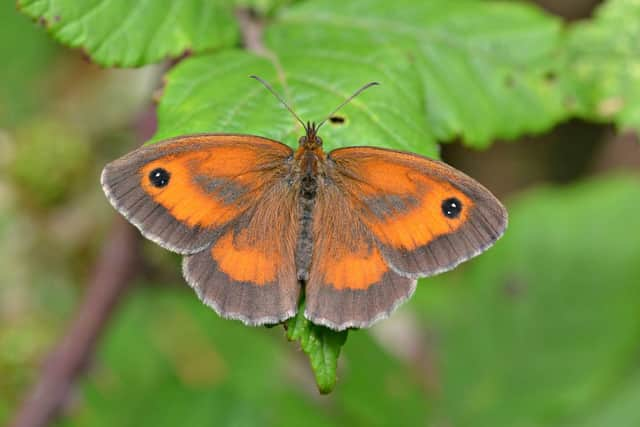
This was reflected around the country, with a record low of numbers recorded and led to the charity declaring a nationwide ‘Butterfly Emergency’.placeholder image
This was reflected around the country, with a record low of numbers recorded and led to the charity declaring a nationwide ‘Butterfly Emergency’.

Above: The gatekeeper was the most common species seen in Devon last year during the count. Credit: Andrew Cooper/Butterfly Conservation
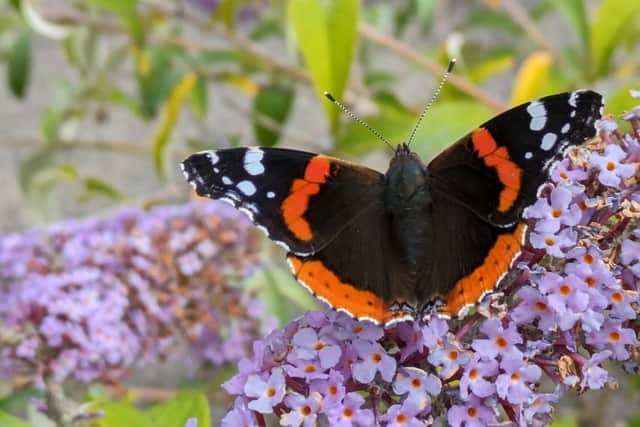
Since the 1970s, some 80% of butterflies have declined and Dr Richard Fox, head of science at Butterfly Conservation, says the loss of these delicate ‘bio-indicators’ shows there is something seriously wrong with our ecosystem.placeholder image
Since the 1970s, some 80% of butterflies have declined and Dr Richard Fox, head of science at Butterfly Conservation, says the loss of these delicate ‘bio-indicators’ shows there is something seriously wrong with our ecosystem.

Above: The red admiral. Credit: Paulbrook76/Butterfly Conservation

He said: “Butterflies are beautiful, yes — but they’re also incredibly important bio-indicators. This means that as they continue to disappear, as they have over recent decades, it indicates something is going seriously wrong in our natural world. We need to heed that warning and take action before it’s too late.
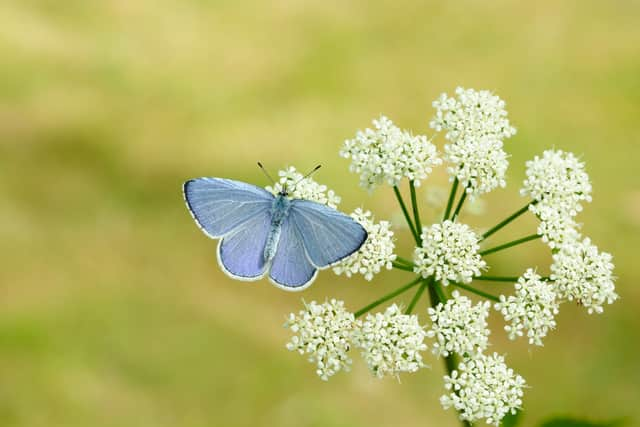
“If we lose butterflies, we lose more than beauty — we lose balance in our ecosystems and that will have serious repercussions for wildlife in the UK. Taking part in the Big Butterfly Count only takes 15 minutes and it’s something everybody in Devon can do. If you do one thing for nature this year, get out for the Count this summer! – Every count really does make a difference.”placeholder image
“If we lose butterflies, we lose more than beauty — we lose balance in our ecosystems and that will have serious repercussions for wildlife in the UK. Taking part in the Big Butterfly Count only takes 15 minutes and it’s something everybody in Devon can do. If you do one thing for nature this year, get out for the Count this summer! – Every count really does make a difference.”

Above: The holly blue. Credit: Iain H Leach/Butterfly Conservation

Last year, the across Devon carried out 5,148 Big Butterfly Counts, with the gatekeeper taking the top spot for most seen species.

As many people as possible are urged to become ‘citizen scientists’ and take part this year – simply download the app or butterfly ID chart, then count and record as many butterflies as you can in 15 minutes outdoors so they can be logged on the charity’s interactive map.

Above: The six-spot burnet moth. Credit: Ivan Lynas/Butterfly Conservation

Powered by
Register
Follow us
© 2026 Formpress Publishing LTD. All rights reserved.Cookie SettingsTerms and ConditionsPrivacy notice