

All Year 13 and first year uni students to be offered meningitis vaccine
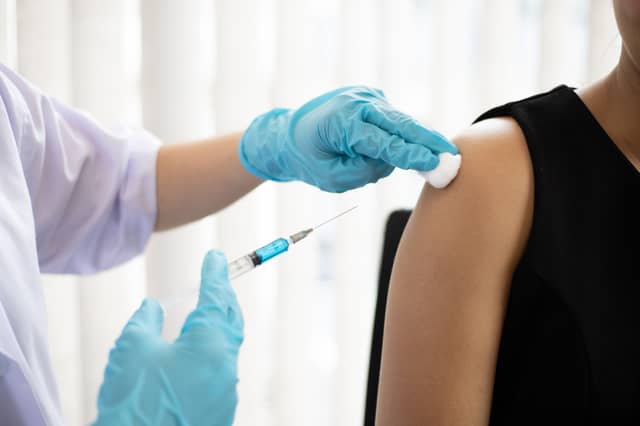

Every Year 13 student and anyone going to university for the first time this autumn will be offered the meningitis B vaccination to prevent more deaths
Thousands of students across Devon and the South West will be offered a meningitis B vaccination this summer before they head off to university or further education.
The Government is rolling out the vaccination plan via the UK Health Security Agency (UKHSA) in the wake of several meningitis cases and two deaths linked to the University of Kent earlier this year.
The one-off MenB vaccination programme will be offered to protect all Year 13 pupils and those aged under 25 starting university or residential further education for the first time this autumn.
Eligible students will need two doses for protection, with the first being offered from July with second dose given in August
The vaccination will be available to people who complete year 13 of education in the summer of 2026, born between September 1, 2007 and August 31, 2008 as well as those under 25-years old starting university or moving into some residential further education for the first time.
Everyone within the Year 13 date of birth range will receive the offer regardless of their education plans and those eligible will be will be contacted directly through the NHS app, text, email, or letter depending on records held by the health service.
Meningococcal disease is life-threatening and can result lead to life-changing disabilities such as amputations, hearing loss and brain damage. It is fatal in around 10 per cent of cases.
It is prevalent in children and young adults, with close and prolonged contact in student halls of residence and accommodation and at social events increasing the risk of people catching it. The UKHSA says two doses of the vaccine are essential for protection.
The UKHSA said the Kent outbreak was the fastest growing and largest ever seen in the UK. It said while the response to that incident had concluded, there have been more clusters than normal this year, some of which were bigger than expected.
There were 313 confirmed cases of Meningococcal Group B (MenB) in England during 2024-25, which accounts for approximately 83 per cent of all invasive meningococcal disease cases.
James Murray, the secretary of state for health and social care, said: “The Kent outbreak and recent clusters indicate a possible change to the way MenB affects people. While we assess the latest evidence, we are acting now to help protect young people at highest immediate risk as they enter university and residential colleges this autumn.
“By offering a two-doses of the jabs ahead of the academic year, we will help reduce the risk of serious illness and larger outbreaks of this horrendous disease.
“I urge all those students who are eligible to come forward for their two doses in July and August, to give them peace of mind as they head off to continue their studies.”
The UKHSA estimates the relative risk of invasive MenB disease in first year university students is substantially greater than for others.
Dr Shamez Ladhani, consultant epidemiologist at the UKHSA, said: “While MenB outbreaks are uncommon, when they occur, they can be devastating as recent outbreaks have sadly shown.
“The risk is higher among young people starting university where close and prolonged contact with lots of new people increases the chances of being exposed to the meningococcal bacteria. Two doses of the MenB vaccine is essential and will give good protection against most strains and help to give young people and their families some reassurance.”
The UKHSA said the vaccine has an established safety record and is already offered routinely to infants through the NHS childhood vaccination programme.
It said evidence from the UK infant vaccination programme shows that vaccination has led to around a 75 per cent reduction in MenB disease among eligible vaccinated groups.