

Chinks of light during a difficult time - Tim Jones

My mailbox is currently dominated by the effects of energy price rises and the impact that this is having on many small firms. The bills have been slightly cushioned by Government intervention, which has to date involved the huge sum of £18 billion over t
My mailbox is currently dominated by the effects of energy price rises and the impact that this is having on many small firms. The bills have been slightly cushioned by Government intervention, which has to date involved the huge sum of £18 billion over the six months of this winter.
It is of no surprise that the Treasury are saying that this level of subsidy is unsustainable. It is probably one of the most generous packages in Europe but it comes at a time when the national debt is standing at around £2.48 trillion. We have now seen how the Government are intending to change the level of support. This is a significant reduction.
From April 2023 to April 2024, the maximum sum allocated for support is £5.5 billion. Most businesses will receive a discount of only 0.7p per kilowatt-hour off their gas bills and 0.2p per kwh off their electricity bills. Some energy intensive industries will be entitled to higher levels of support.
At these new levels, it is highly likely that many small firms will struggle to survive, having already been under huge financial pressure for many reasons other than just energy prices.
There is, however, a chink of light. Wholesale prices have fallen sharply over the past month as a result of the unusually mild weather. They are currently at levels similar to those before Russia’s invasion of Ukraine. This, of course, could change, either because of colder weather conditions or increased pressure on energy supplies by Russia. Some firms may have been able to have taken out long term fixed price deals for their energy supplies but the majority of these normally do not exceed 6 months.
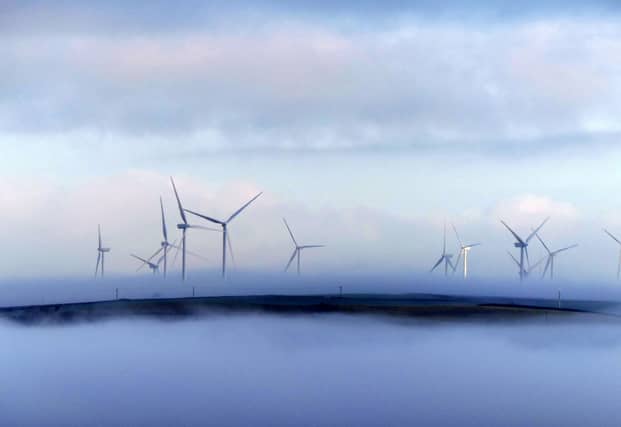
There is another chink of light here, which we should also recognise. The UK has just broken its record for wind power generation. The current blustery weather conditions and growing number of wind turbines, has now enabled renewable energy sources to provide more than half the countries electricity.
]The most recent record on a particular day, showed that wind generation was exceeding 21.6 gigawatts at a time when total energy demands were around 35 GW. Whether we like the current daily battering of strong winds and rain, this is helping to cut our reliance upon natural gas.
As a consequence of this, gas prices are falling. We should, of course, bear in mind that even though we are below pre-Ukraine levels, the prices remain about 4 times higher than the average price between 2010-2019. If this contribution from wind can continue at between 46-59% of electricity generation, then the lowering of costs is likely to continue.
At these levels, over the last few weeks, fossil fuels, natural gas and coal have together provided less than 15% of electricity generation, compared with a typical year of around 43%. The balance of energy sources comes from nuclear, hydropower, solar, biomass and significant imports from continental Europe.
Energy prices increases are not confined to the UK. This is a Global market. Here again, however, there are signs of improvement, for example, the very significant French Nuclear Power Station generators, who have been operating well below capacity for much of 2022, are now coming back online following the completion of maintenance works.
It is believed that the UK now has the fastest decarbonising electricity network in the world. Wind generation capacity is forecast to grow substantially between now and 2030, from 25 GW of installed capacity to more than 60 GW. Based on this the UK is predicted to become a larger exporter of capacity on windy days. We should however not forget that currently gas is still used to heat the majority of our homes.
As I have previously commented, Northern Devon has been at the forefront of the development of onshore windfarms. Whether we love them or hate them, they are an essential part of ensuring that the UK can never again be held hostage by rogue nations. The challenge to come will be how warmly we embrace the offshore wind developments which are planned in the Bristol Channel/ Celtic Sea.
These issues divide many people but, when considering the need for many small businesses to survive, it is necessary to be balanced when we enter into these potentially divisive debates.