

West Devon Council plans million pound investment in new temporary homes
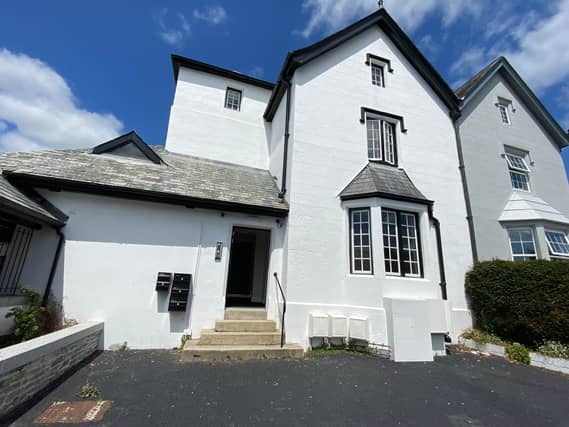

Council leaders approve plans to buy four homes in Okehampton through the Government’s Local Authority Housing Fund scheme
West Devon Borough Council is set to spend more than £1 million on new temporary housing.
More than half of the funding will come from the Government through the Local Authority Housing Fund (LAHF), with the council covering the remainder through external borrowing at an average interest rate of 5.5 per cent over 50 years.
READ NEXT: Bovey Tracey council allocates £16k in public funds to community groups and youth support
Borrowing for the four homes is expected to cost around £28,000 a year to finance.
However, the council expects to gain nearly £5,000 annually from rental income once repair and borrowing costs are deducted.
West Devon has already taken part in three previous rounds of the LAHF programme, which was launched in 2022 to help councils reduce their reliance on costly emergency accommodation such as bed and breakfasts for people facing a housing crisis.
Through the scheme, the authority now owns 13 properties in Tavistock and Okehampton.
Members of the council’s hub committee agreed on Tuesday to take part in the fourth round of the fund.
The council will receive £590,000 once it signs a memorandum of understanding with the Government and will match funds up to £477,000.
A report to councillors said West Devon was among the first councils in the country to complete its first round of property purchases through the scheme in 2023.
In addition to the £1.76 million received through the LAHF so far, the council has also used Homes for Ukraine funding, Afghan resettlement funding, Section 106 contributions from developers and income from additional council tax on second homes to support affordable housing projects.
The report indicates the new properties will be located in Okehampton and are expected to be purchased during the 2026/27 financial year.
So far, buying its own temporary housing has saved the council around £180,000 and avoided more than 2,500 nights in less suitable temporary accommodation for children and their families.
Under the rules of the latest funding round, two of the new properties will initially be used for resettlement, while the other two will provide temporary accommodation.
Overall savings are expected to be around £54,600 per year, alongside rental income from the two homes used for temporary housing.
The report also states that using two properties for resettlement will allow the council to claim grant funding of £20,300 per person over three years.
Based on an estimated ten residents across the two homes, this could equate to annual grant claims of around £67,666.
Councillor Mark Renders (Independent, Dartmoor), the council’s lead member for housing, said he was both “excited and proud” to be adding more housing assets to the council’s portfolio.
Council leader Mandy Ewings (Independent, Tavistock South West) said the authority was one of the few councils to bid in all four rounds of the programme.
“It has helped us immensely with temporary housing costs and we have also been able to house people who have come here in difficult circumstances,” she said.
West Devon Council is understood to have the lowest number of people requiring temporary accommodation in Devon.
Despite this, it increased its temporary accommodation budget for 2025/26 by £160,000 after costs rose to more than £500,000 the previous year.
Councillor Caroline Mott (Conservative, Bridestowe) said that with local government reorganisation on the horizon she hoped the properties would remain under local authority ownership for many years.
She said councils had previously struggled when housing organisations sold off affordable homes that could have been improved instead.
“Because the properties are temporary accommodation and resettlement, sadly I cannot see a time when we would not need those properties for their intended purposes,” said chief housing officer Isabel Blake.