

Race to save popular Devon nature reserve as storm damage threatens sea wall breach
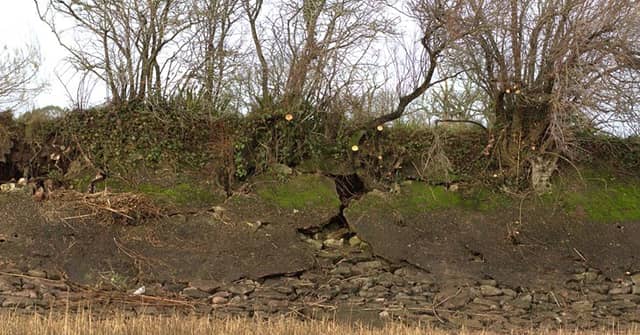

RSPB Bowling Green Marsh faces breach risk after Storms Ingrid and Chandra damage 200-year-old Exe Estuary sea wall near Topsham
A popular Devon nature reserve is at risk of being "inundated" by the sea following significant storm damage to its coastal defenses.
Exeter City Council and the RSPB have raised urgent concerns regarding a 200-year-old bank at Bowling Green Marsh in Topsham. Engineers discovered a 4-metre-wide hole in the sea wall following the impacts of Storms Ingrid and Chandra.
With spring tides expected later this week, officials have carried out emergency shoring works to prevent a total breach.
The marsh, which is owned by the council and leased to the RSPB, serves as a vital high-tide roost for migratory estuary birds.
While the immediate risk to local homes and infrastructure is considered low, authorities warned that a breach would:
- Displace wildlife: Force thousands of birds to find alternative roosting sites.
- Escalate costs: A small breach could quickly widen, making future repairs "complex and expensive."
- Impact access: The RSPB’s River Clyst viewpoint has been closed to the public for safety.
Despite the emergency repairs, the council admitted that the current defenses may not be sustainable in the long term.
The bank is described as tall, narrow, and in poor condition. Officials say the increasing frequency of storms and rising sea levels mean that maintaining the 19th-century structure is becoming increasingly difficult.
Natalie Holt, RSPB Site Manager, said the situation reflected the "reality of nature conservation in a climate changed world."
"In the short-term, the wintering birds have other safe areas they can go to... but we will need to consider carefully the long-term future of this site," she added.
What happens next?
Exeter City Council is currently investigating "longer-lasting" repairs, which are expected to take place within the next few weeks.
Once the immediate danger has passed, a wider review involving the Environment Agency and Natural England will determine the future of the marsh and whether the historic sea wall can, or should, be saved.
The RSPB confirmed that while the Clyst viewpoint is shut, the main hide and "Lookout" facility remain open to visitors.