

I once saw the truth behind a “violent arrest” - and it changed how I judge the police

From a custody cell in Torquay to high-profile cases like Jean Charles de Menezes, a GP reflects on why snap judgments about policing can miss the real story behind split-second decisions
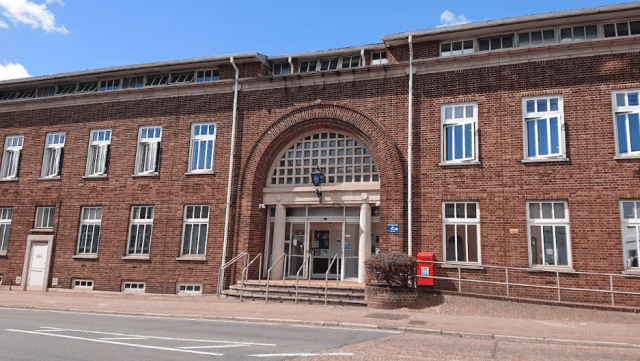
I was once called to Torquay custody centre to see an extremely violent man. I could only observe him through the hatch. It was far too dangerous to enter the cell.
He had been taking amphetamine or speed which makes people overactive. To make matters worse he was also taking anabolic steroids to build up muscle which made him aggressive. It is the same lethal combination that Hitler was prescribed in the final days of the war.
When the police were called he was waving around a samurai sword and presented a serious risk to the public. The police could only approach him armed with strong shields. Talking him down proved impossible and so he was tasered. This helped but he was still violent. The officers took incredible personal risks to finally remove the sword and get him into a police van to transfer him to Torquay Custody.
Although he was not in a fit state to recognise anyone, I recognised him. I was his GP.
The following morning I received a phone call from his social worker. She had just seen him after he had been released and was coming down from the drugs, He had given her a fabricated version of events. He may not have even remembered the night before. “I’m afraid the police were very rough with him but you know what the police are like don’t you?” she said.
I let her dig a hole for herself before pointing out that I saw him in the cells. He was not the victim she assumed. She apologised but I felt I could not leave it.
“He was very violent waving around a samurai sword. The police put their lives on the line. Comments such as “you know what the police are like” is unprofessional. If you have evidence that the police were violent then you must put in an official complaint so that it can be fully investigated. If you have no evidence for police brutality you should not make accusations”.
Maybe I was a bit hard on her but I was annoyed having personally seen the bravery of the officers. Had there been smart phones at the time it might have shown her the reality of what happened although any video might have been edited to show the police in a bad light.
I was reminded of this conversation reading about Zack Polanski’ the leader of the Green party, sharing a social media post criticising the police when they arrested a man who allegedly stabbed two men in Golders Green, London. He has since apologised although he has not said that he was wrong, just that putting it on social media was the wrong forum.
. In exactly the same way as the social worker criticised “police violence” when she was not aware of the facts Zack Polanlski fell into the same trap.
I once heard a talk from a retired officer who was involved in the shooting of Jean Charles de Menezes although he did not pull the trigger. De Menezes was an innocent Brazilian man shot dead by the police on a tube train in 2006 after being mistaken for a terrorist.
The plain-clothes undercover officers were told that there was good evidence he was a terrorist. They were also told that he may be a suicide bomber. Two weeks earlier, on 7th July 52 people were killed after a series of bombs in London and so tensions were high. Despite their personal risks they jumped on him knowing that at any time he might set off a bomb killing the officers and anyone else on the train. Had the intelligence been correct they might have received the George Cross for bravery. Tragically, unknown to the officers, he was an innocent man.
The police have a difficult job, often dealing with violent people in the middle of the night. There is no time to set up a committee to discuss the best way forward. Decisions must be instant. It is easy to analyse their behaviour the next day and criticise.
Of course, the police are not perfect and there are examples of police violence, but I cannot claim that my profession are all superheroes. It was my profession that produced Dr Shipman. The police are not above the law. If anyone has evidence of police brutality they should report it but, unlike my social worker or Zac Polanski, they must check the facts first.