

Hatherleigh science events return next week with new lectures and ‘bigger’ fair
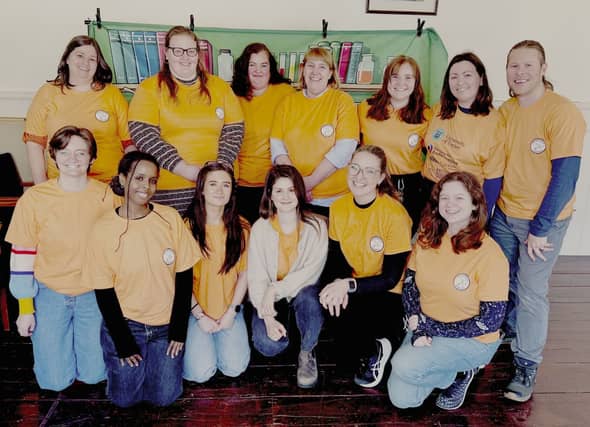

Hatherleigh Science Week 2026 to feature expert lectures, hands-on family activities and a free science fair in West Devon
Hatherleigh Science Week is set to return next week from March 9-14 2026, with a programme of evening lectures and a larger Saturday science fair.
Organisers say the event, returning following success in 2025, aims to bring high-quality science to rural communities on and around Dartmoor.
Prof Craig Beall, one of the organisers, told The Moorlander: “To spread awareness and scientific knowledge to rural communities, we are hosting a series of evening lectures and a science fair in Hatherleigh. Our ambition is that everyone will go away having learned something new.”
The week begins with evening talks at the Old Schools in Market Square on March 9 and 11.
On Monday, Prof Alex Thornton, Professor of Cognitive Evolution at the University of Exeter, will present “Clever Cornish Birds: how jackdaws adapt to live alongside us”.
On Wednesday, Prof Lorna Harries, Professor of Molecular Genetics at the University of Exeter Medical School, will speak on “The splice of life: reprogramming ageing to treat chronic disease”, exploring research into ageing cells and new approaches to treating disease.
Both lectures begin at 7:30pm on their respective evenings, with tickets costing £5 per talk.

ABOVE: Old Schools, Hatherleigh (Image: Hatherleigh Science)
This year’s event has received £2,000 sponsorship from the National Centre for the Replacement, Refinement and Reduction of Animals in Research (NC3Rs) and £1,500 from the Biochemical Society.
A new exhibit, “A Journey to organoids”, will debut in Hatherleigh before travelling to larger shows in London later in the year.
It will explore how stem cells and organoids are helping to reduce and replace the use of animals in research.
A spokesperson said the exhibition shows ‘how animal research has led to many medical breakthroughs’ and how newer technologies are now being developed.
Other attractions include ExplorerDome’s “Voyage Into The Brain”, a planetarium-style show designed to help audiences understand neuroscience and discuss dementia, and a virtual reality experience from the Ocean Conservation Trust in Plymouth, demonstrating how ocean-based VR can support wellbeing in care settings.
Exhibitors will also include the University of Exeter’s Centre for Medical Mycology, Exeter Science Centre with activities on artificial intelligence, and science communication group AuthentiSci.
Entry to the science fair is free, with organisers indicating the first 25 children through the door at 10am and again at 1pm will receive a science-themed gift bag.