

Dan Bagur: An insight into why the Pine Marten reintroduction matters for Dartmoor
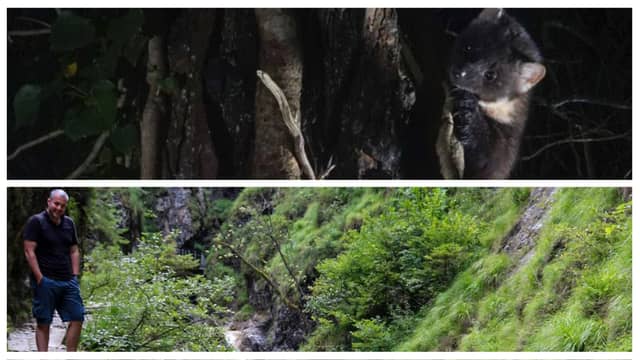

Wildlife biologist Dan Bagur discusses his new book and what pine martens could mean for Dartmoor and Devon woodlands
A Dartmoor author’s book is offering readers a rare insight into the hidden world of one of Britain’s most elusive mammals, at a time when pine martens are beginning to return to parts of Devon, including Dartmoor.
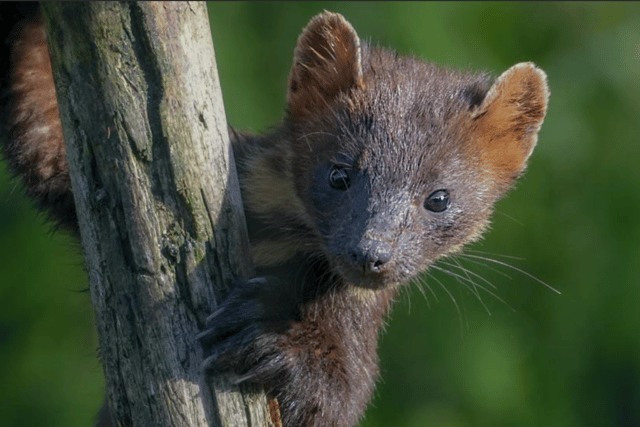
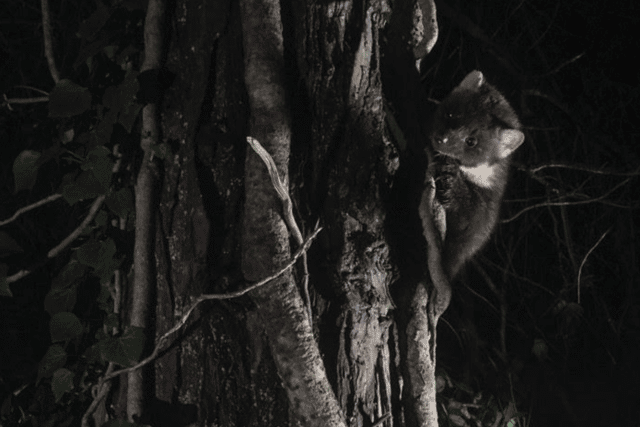
Pine Marten: The Secret Life of Martes martes is written by wildlife filmmaker and biologist Dan Bagur, and draws on a five-year field study and thousands of hours of observation in woodland habitats across Ireland and mainland Europe.
Through photography and research, it documents pine marten behaviour, ecology and their role in healthy forests.
What is your background, and what led you to write this book?
“I’ve loved nature and wildlife for as long as I can remember. I studied marine and freshwater biology and worked in fisheries, biodiversity surveys and conservation projects. Later, I moved into water quality work. Pine martens always interested me, but living in the south of England I rarely encountered them. Seven years ago I moved to Ireland and settled in a remote woodland area. Finding pine marten scat in my garden was the moment everything changed.”
How did that develop into a long-term study?
What were some of your key discoveries?
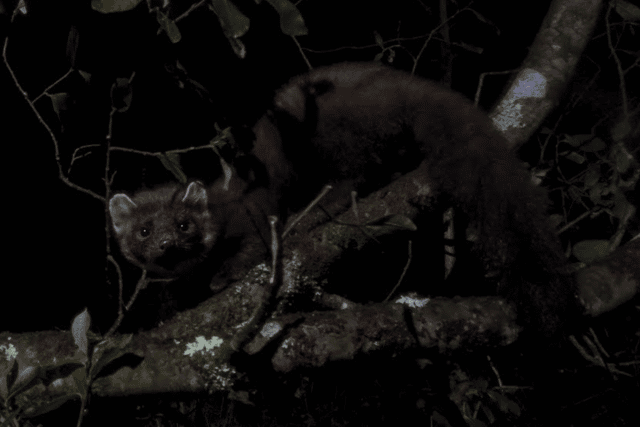
“By watching consistently over many years, I saw behaviours that hadn’t been properly recorded before. For example, pine martens usually stay still while defecating, and the well-known ‘wiggle’ actually happens during urination to spread scent. I also discovered what I call the ‘Marten Maze’, tunnel systems through dense vegetation that they use as ground dens, especially when raising young.”
How has the book been received?
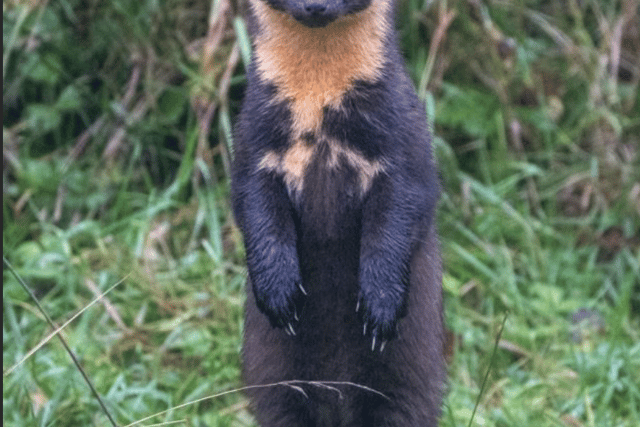
(Copyright Dan Bagur)
Why are pine martens important for Devon readers?
Do you plan to write more books?
“Yes. I’m always working on new ideas. I’m in the early stages of my next book and continue to contribute research, photography and writing to other nature publications.”
Where can readers find the book?