

M5 data exposes the 50-minute ‘Friday trap’ hitting Devon
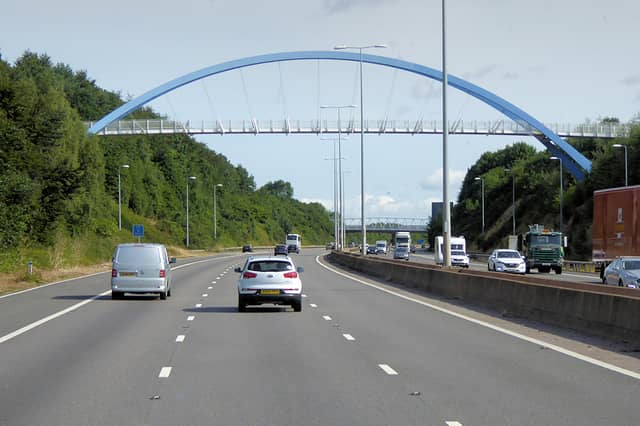

Analysis of millions of historical data points has revealed a consistent and recurring M5 southbound bottleneck between Junction 27 and Junction 31, uncovering a specific Friday afternoon travel trap that adds up to 50 minutes to journey times; while National Highways maintains that overall Devon congestion remains steady, this new INRIX traffic data exposes the true scale of the August holiday gridlock facing motorists heading into the South West.
Drivers heading into Devon face their worst M5 delays on Friday afternoons, particularly during August, according to traffic data analysis by INRIX, the global transportation analytics company.
Analysis of historical performance on the M5 between junctions 27 and 31 points to a consistent and recurring bottleneck on the southbound carriageway during Friday late afternoons.
Bryn Mills, VP of Engineering at INRIX, told Exeter Today: “Friday late afternoon stands out as the clearest recurring pressure point for traffic heading into Devon. The data also suggests that Fridays in August are noticeably worse than a typical Friday, with journey times on the southbound route significantly above normal free-flow conditions during the afternoon peak, with delays of up to 50 minutes compared to other times of the year.”
Mr Mills added that the worst individual days in INRIX's dataset tend to cluster around summer holiday periods, autumn Friday peaks, and Christmas getaway dates, reinforcing the view that holiday traffic is the primary driver of delays on this stretch of motorway.
For anyone planning a trip to Devon, the practical advice is clear: avoid travelling southbound on the M5 between junctions 27 and 31 on Friday afternoons, especially during August and other busy holiday periods.
INRIX's year-over-year analysis suggests these patterns have remained relatively stable in recent years, though Mr Mills flagged one potential pressure point for the summer ahead.
“It will be interesting to see how any increase in 'staycationing' this summer due to world events plays out in delay data this August,” he said.
National Highways told Exeter Today that across the ten busiest days on the M5 between junctions 29 and 30 in 2025, the motorway carried roughly 60,000 to 70,000 vehicles per day in each direction.
The busiest days last year, measured by vehicle numbers, were the Fridays between June and August, along with the two May bank holidays.
A National Highways spokesperson said: “Congestion is not getting worse on the M5 in Devon.”
The agency noted that traffic levels across the South West network have remained steady over the past three years, with holiday getaway periods broadly similar in terms of volumes over the last two years.
National Highways cautioned against making year-on-year comparisons, saying weather, the frequency of incidents such as collisions and breakdowns, and the presence of roadworks with narrow lanes and speed restrictions all influence journey times, meaning each year brings its own set of variables.
On a typically busy day on the Devon M5, National Highways said drivers tend to experience delays of between five and ten seconds per vehicle per mile, though longer delays can occur when significant incidents take place.
The agency said it proactively places additional recovery vehicles at Exeter Services during holiday periods to reduce the impact of breakdowns and collisions, on top of its standard use of signs and signals to alert drivers to potential delays.